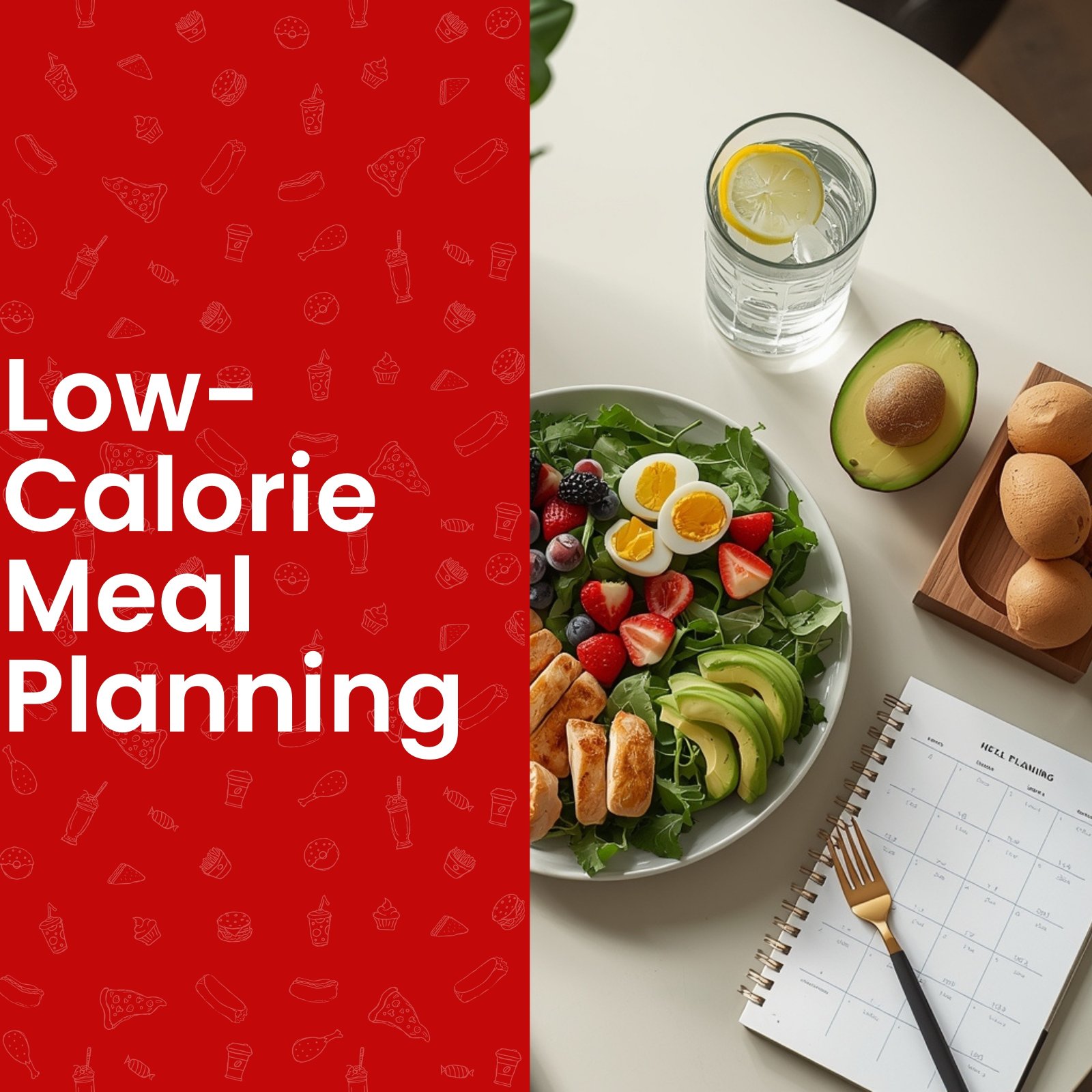
The Ultimate Guide to Low-Calorie Meal Planning
2026-04-16
Introduction
The first step towards creating a sustainable eating routine is knowing how to cope with low calories without necessarily feeling constrained or starving. It is a common belief that lower calorie consumption means less food intake, but this is not necessarily accurate. The actual aim is to eat foods that have more volume, are more nutritious, and give long-term satisfaction without surpassing a healthy calorie intake level.
The properly designed plan that will be constructed with low calorie meals can make you remain energized, help you manage your weight, and establish uniformity in your daily life. Meal planning enables you to make realistic and practical food decisions instead of overeating and depending on quick fixes, extreme diets, etc.
With this Foodsie’s guide, you will know how to plan meals, which foods to eat to get low calories, and develop a routine that can make you feel full and not deprived on a low calorie diet.
Why Low-Calorie Meal Planning Matters
Meal planning does not solely pertain to lowering calories, but rather to establishing balance. In the absence of a clear plan, it is easy to either overeat or undereat, both of which can hurt your progress.
When you plan your food ahead of time, you get to be more deliberate in your eating choices. This will help you lessen the likelihood of grabbing processed foods or high-calorie foods when you are short of time or energy. With time, this consistency becomes one of the strongest means of a healthy lifestyle.
A plan also assists you in spreading calories across the day. A balanced diet will be more sustainable and easier to adhere to instead of having to eat the majority of your calories at a single meal.
Understanding What “Low Calories” Really Means
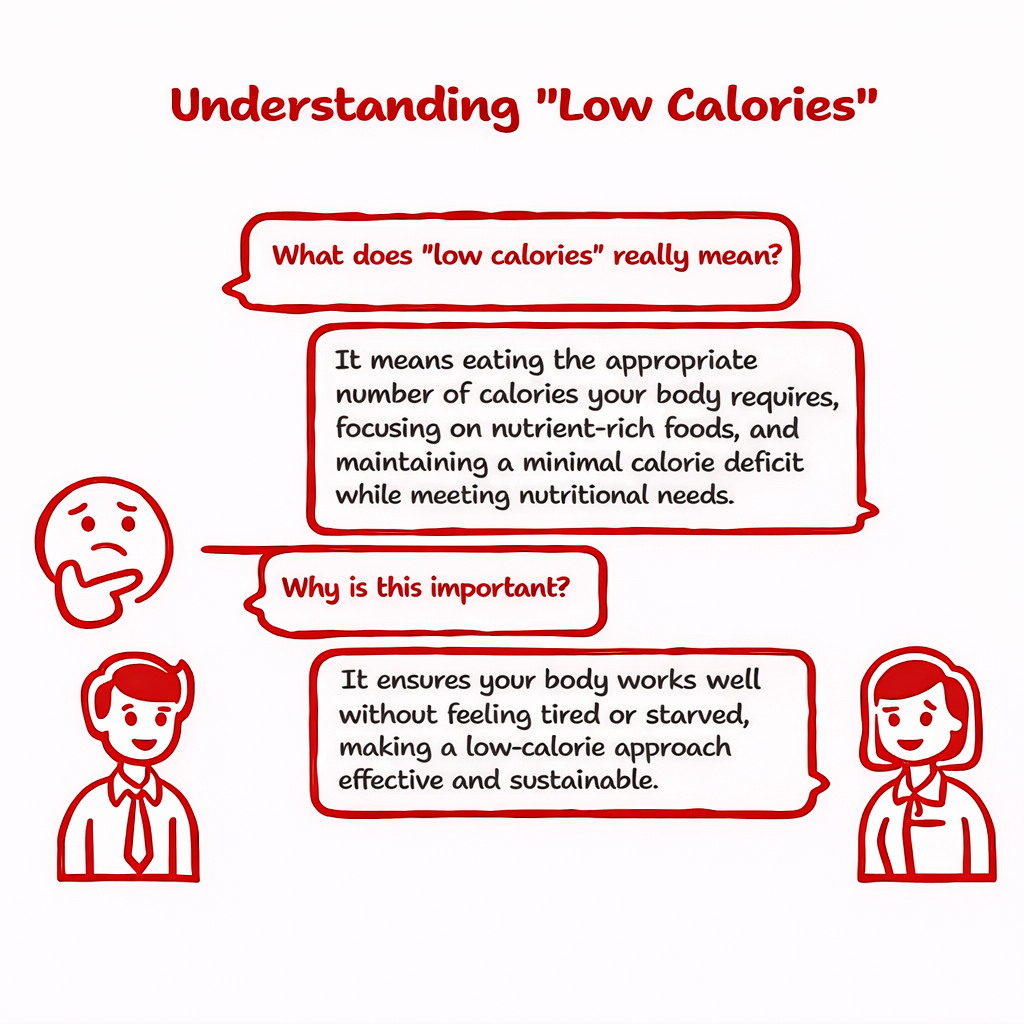
Low-calories are a misconceived notion. It does not mean eating as little as possible, but having the appropriate number of calories that your body requires, while focusing on the food with the best nutrients.
Each person has varying calorie needs depending on various factors such as age, activity, and metabolic rate. The trick is to have just a minimal calorie deficit, and at the same time, meet your nutritional requirements. This will make sure that your body is working well without feeling tired or starved.
By emphasizing low-calorie foods that are also nutrient-rich, you can eat good portions and still keep within your desired start. It is what contributes to the effectiveness and sustainability of a low-calorie approach.
How to Build a Filling Low-Calorie Diet
The issue of whether a low-calorie diet leads to increased hunger is a significant concern for many individuals. The fact is that hunger is not necessarily caused by reducing calories but by a bad diet.
Focus on Volume and Nutrient Density
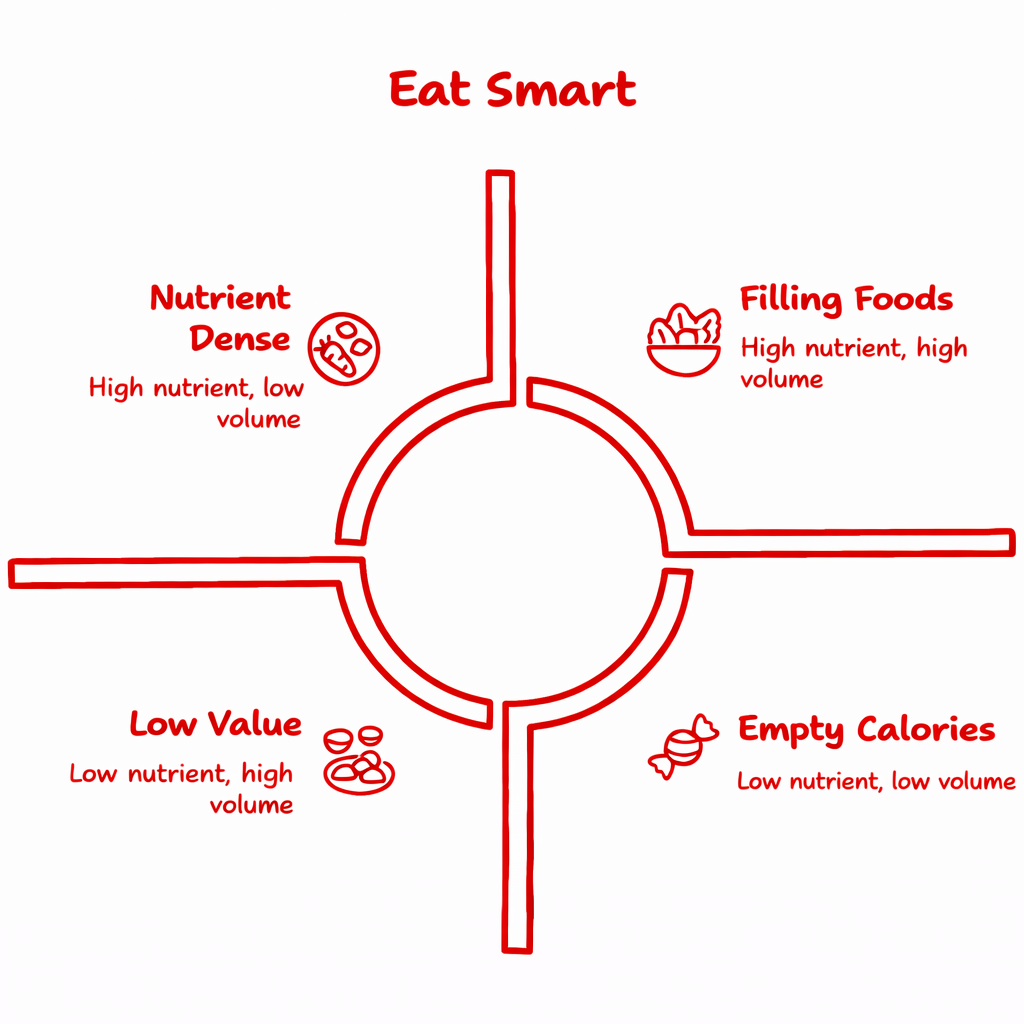
High water and high fiber foods are more satisfying without increasing excess calories. Whole foods, along with vegetables and fruits, help increase portion sizes while keeping the body's calorie intake in check.
This will enable you to have bigger meals without surpassing your daily calorie requirements, and thus it is easier to adhere to a low calorie, filling diet.
Include Protein in Every Meal
Protein is a very important component of satiety. Well-balanced meals containing sufficient protein are known to reduce hunger and prevent unwarranted snacking in the afternoon.
Chicken, fish, eggs, and legumes are effective alternatives for low-calorie high-protein meals that ensure you remain fuller and more satisfied for a longer duration.
Don’t Eliminate Healthy Fats Completely
Although fats are rich in calories, they remain vital to the general health wellbeing. Adding small portions of healthy fats will enhance meal satisfaction and can be used to balance your diet.
The trick is to consume in moderation, that is, with an amount that adds flavor and satiety without raising calorie levels too high.
Planning Low-Calorie Meals for the Day
Healthy eating is a balanced diet that consists of a combination of meals and snacks that keeps the energy levels within the calorie limit. Rather than not eating, you can better plan your meals.
Breakfast That Keeps You Energized
Eating a well-balanced breakfast in the morning predetermines your diet. Protein and fiber are useful together to avoid mid-morning cravings.
Even such common things as yogurt with fruit or eggs with vegetables are great examples of low calorie food that gives a sustained energy supply.
Lunch That Supports Productivity
Lunch must not make you feel drowsy or forgetful. Lentils and vegetables are also good meals that contain lean protein and can be used to sustain energy levels during the afternoon.
Salads, light wraps, or even balanced bowls are easy to include in a low-calorie plan when one regulates portions.
Dinner That Feels Light Yet Satisfying
Dinner doesn’t have to be heavy to be fulfilling. Actually, light meals during the evening usually enhance digestion and comfort.
Vegetables, protein, and a small amount of healthy carbs can be used to make a delicious meal without having to go over your calorie limit.
Smart Choices: Low-Calorie Foods to Include
Eating the correct foods is the key when it comes to low-calorie plan. Certain foods have a higher volume and nutritional content and are also lower in calories.
Some of the good low calorie foods are:
- Leafy greens and vegetables,
- Low-fat foods such as fish and chicken.
- Fruits with high water content.
- Legumes in moderate amounts.
- Whole grains in moderations
These are the foods that make up the basis of the balanced and sustainable eating plan.
Low-Calorie Veg Foods for Plant-Based Options
When someone desires to consume vegetarian dishes, there are many choices available that can fit into a low-calorie vegan diet. A low-calorie veggie diet can be just as fulfilling, provided it is prepared thoughtfully.
Dishes made of vegetables, lentil soups, and grain bowls with measured portions offer nutrition and satiety. The trick here is to mix ingredients in such a manner that it balances out the fiber, protein, and flavor.
This makes vegetarian dieting enjoyable and efficient, even in a calorie-conscious diet.
Low-Calorie Drinks That Support Your Goals
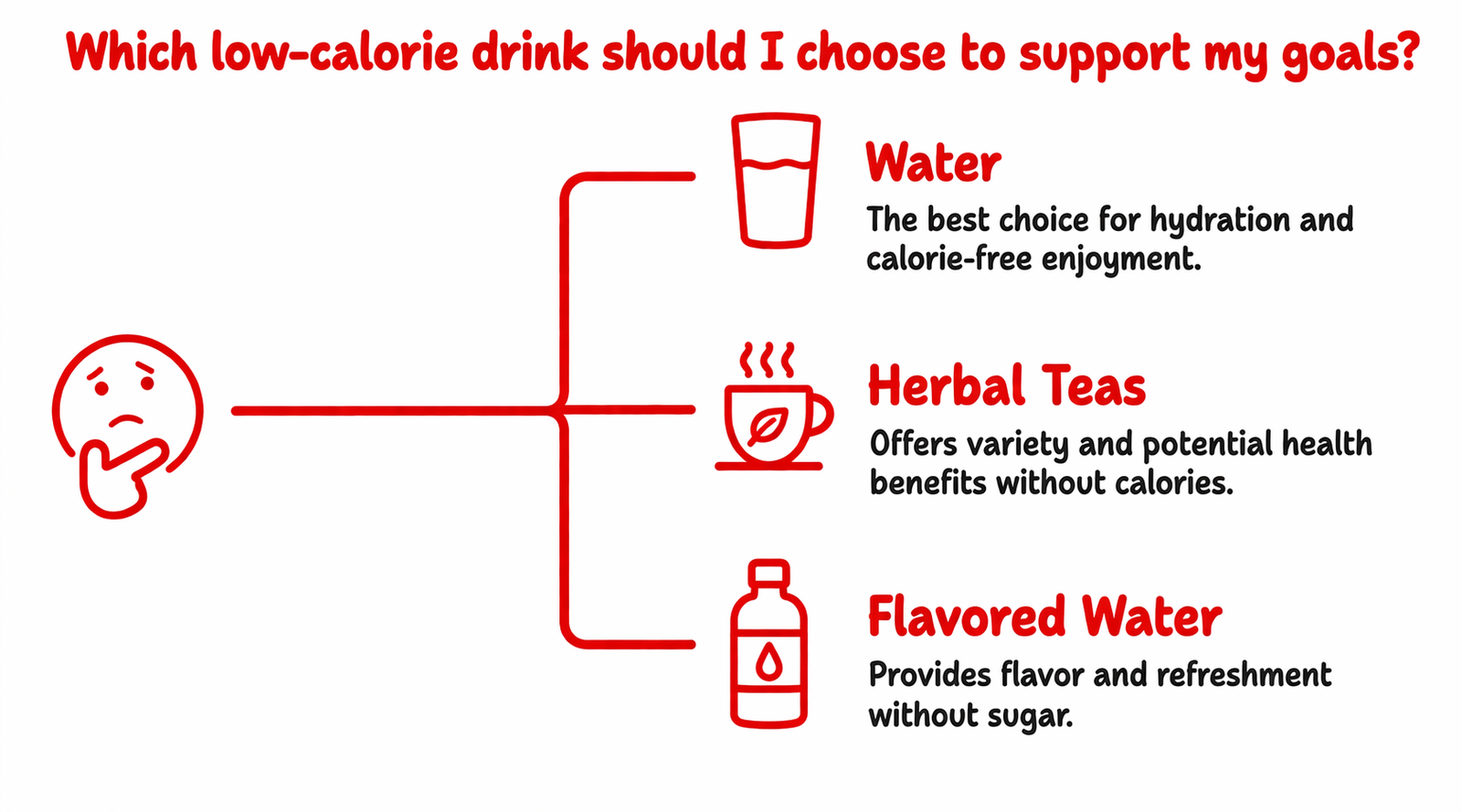
Drinks may be disregarded when counting calories, but they can greatly affect your overall daily intake. Making the correct beverages can enable you to remain within your calorie limit and still enjoy.
Water is the primary choice; however, other low-calorie drinks like herbal teas or flavored water can provide variety. A simple way to lower overall calorie intake is to cut out sugary beverages while keeping your diet unchanged.
Making Meal Planning Easier and More Consistent
Consistency is one of the largest dilemmas for people. It can also be time-consuming and overwhelming to plan meals manually each and every day, particularly when you have a busy schedule.
It is here that a structured system can really come in handy. You will not have to guess what to eat, but rather you can use the Meal Planner of Foodsie to plan your meals on a weekly basis according to your preferences and calorie targets.
The tool assists in creating a whole plan with low calorie food so that each day of your meal is balanced and fits your diet. It eliminates the burden of making decisions and lets you be consistent without having to think over every meal.
With a good plan in mind, chances are high that you will be able to adhere to your routine and will not make impulsive decisions to eat something that will upset your progress.
Common Mistakes to Avoid in Low-Calorie Meal Planning
Despite the most positive intentions, some errors can complicate the maintenance of a low-calorie diet.
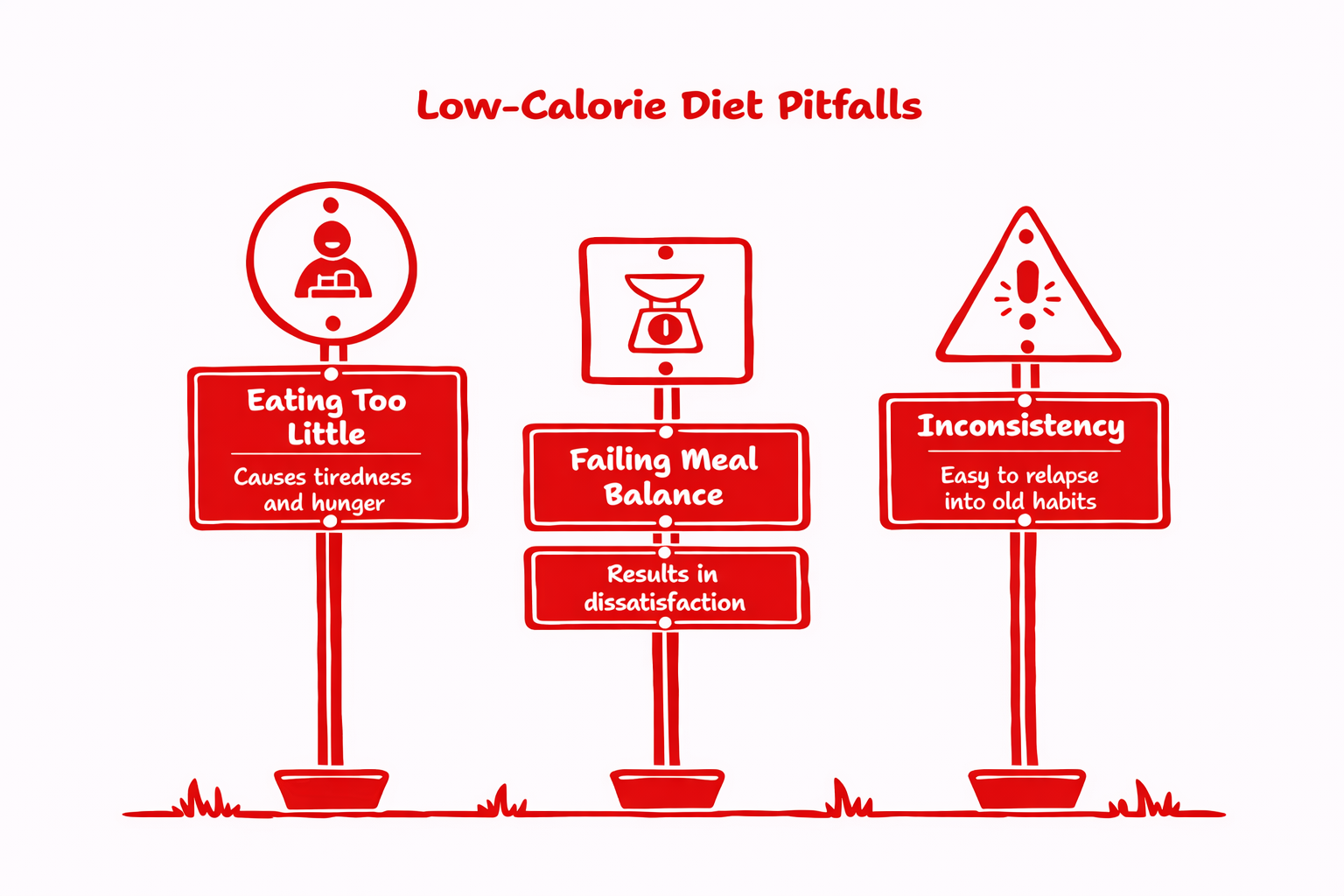
Eating too little is one of the problems. A drastic reduction of calories may cause tiredness, hunger, and even excessive eating. It is always more effective in the long run with a balanced approach.
Another mistake is failing to consider meal balance. Simply counting calories without paying attention to nutrients can result in dissatisfaction. Protein, fiber, and healthy fats are a great addition to your diet, keeping you full and healthy.
Finally, inconsistency is a consequence of not planning. In the absence of a clear structure, it will be easy to relapse into old habits, highlighting the importance of meal planning.
Conclusion
The secret to a successful low-calorie approach lies in balance, consistency, and informed choices rather than restriction. By focusing on nutrient-dense, low-calorie, high-protein foods, you can create satisfying meals and maintain a comprehensive high-protein, low-calorie diet, allowing you to achieve your objectives without experiencing deprivation.
The whole process becomes easier with meal planning. It makes you stay organized, enjoy less decision fatigue, and makes sure that whatever you consume every day is what you want to achieve. Having such tools as the Meal Planner by Foodsie makes it much more feasible and convenient to have a structured routine.
The right strategy implemented in the right habits would make low-calorie eating a way of life and not a diet.
Ready to take the stress out of healthy eating?
With Foodsie, you can turn everything you’ve learned about low-calorie meal planning into a simple, personalized routine that actually works for you. Whether you want to create balanced meals, explore low-calorie recipes, or build a filling diet that fits your lifestyle, Foodsie’s smart Meal Planner have you covered. Stop guessing what to eat and start planning with confidence—sign up on Foodsie today and make healthy eating easier, smarter, and more enjoyable every single day.
Frequently Asked Questions
1. What app can I use to create balanced meal plans for healthy eating?
If you’re looking for an app to create balanced meal plans for healthy eating, Foodsie is designed to make the process simple and personalized, helping you build nutritious, well-balanced meals without the stress of planning from scratch; with smart features like our Recipe Generator and tailored meal planning tools, you can create meals based on your preferences, dietary needs, and available ingredients—all in one place. Sign up on Foodsie today and take the guesswork out of healthy eating while building a routine that actually fits your lifestyle.
2. What are low-calorie foods that keep you full?
Low-calorie foods that promote satiety include high-fiber vegetables like leafy greens, broccoli, and cauliflower, along with high-water content fruits such as berries and watermelon. Incorporating protein sources like eggs, legumes, and lean chicken in every meal enhances fullness without excess calories, as emphasized in the blog's focus on volume and nutrient density.
This selection of vibrant, low-calorie produce highlights options ideal for building satisfying plates.
3. How can I create low-calorie high-protein meals?
Aim for meals combining lean proteins such as chicken breast, fish, eggs, or legumes with vegetables and moderate whole grains. Examples include grilled chicken salads or lentil soups, which provide sustained energy and reduce snacking, aligning with the blog's advice on protein for satiety.
4. What are good low-calorie vegetarian food options?
Opt for plant-based proteins like lentils, chickpeas, tofu, quinoa, and Greek yogurt paired with fiber-rich veggies such as spinach, kale, and cruciferous vegetables. These create filling dishes like veggie grain bowls or lentil soups, supporting a balanced low-calorie veg diet as outlined in the blog.
5. Which low-calorie drinks should I choose?
Prioritize water, herbal teas, and flavored water (infused with fruits or cucumber) over sugary beverages. These options add variety and hydration without calories, helping maintain daily intake goals as recommended in the blog.