Delicious Low‑Calorie Vegan Recipes for Healthy Eating
2026-04-03
The consumption of plant-based food does not imply that you have to sacrifice flavor, satisfaction, and variety. A vegan diet high in energy may be a very joyful, refreshing, and a very nourishing experience as well. Whether your goal is to lose weight by adding more plant-based options to your diet, to pursue a healthier way of living, or to simply refine your taste in food, a low-calorie vegan diet opens up a vibrant color palette, the benefits of nutrient-rich foods, and encourages creativity in your meals. Tools like the Foodsie Meal Planner can naturally support this process by helping to organize meals and balance nutrients without adding complexity.
From the low-calorie snacks that satisfy you between meals to the low-calorie dinners that make you light and wholesome through the day, this guide gives ideas, inspiration, and useful suggestions on how to enjoy everything you are eating, and simultaneously be determined to achieve your healthy eating goal.
During your reading journey with Foodsie, we will gently demonstrate how you can discover and customize these foods, understand calories and nutrition, and simplify healthy eating, all without altering your lifestyle or using a plate the size of a truck.
Why Low-Calorie Vegan Eating Feels So Balanced
The biggest myth concerning low calorie veg food is that you will always feel hungry. As a matter of fact, plant foods naturally contain high fiber and water, and therefore, you can consume large quantities without inflating your calorie consumption. That sense of volume matters. A big bowl of mixed greens, roast vegetables, lentils, and a light dressing may be very fulfilling yet still work towards the wellness objectives.
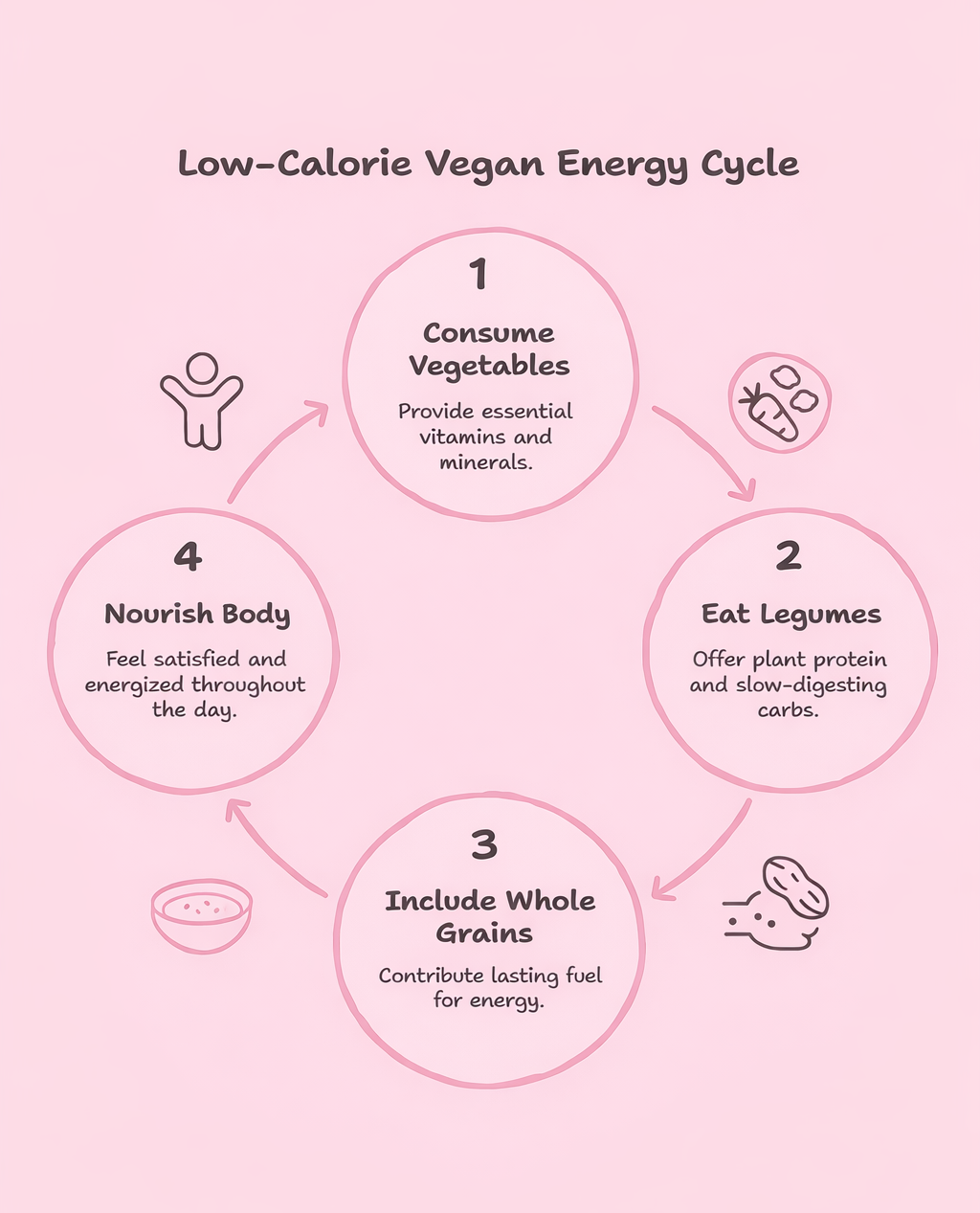
A properly balanced low calorie vegan diet helps maintain long- term energy. Vegetables are good sources of vitamins and minerals. Legumes supply carbohydrates that are slow to digest and plant protein. Whole grains are sources of long-term energy. When these elements come together thoughtfully, your body feels nourished instead of deprived.
The other advantage is that this eating style promotes mindfulness. Since you are dealing with whole ingredients, you’re more conscious of flavors, textures, and portion sizes. With time, such awareness causes eating to become a normal habit rather than an obligation.
Understanding What “Low Calorie” Really Means
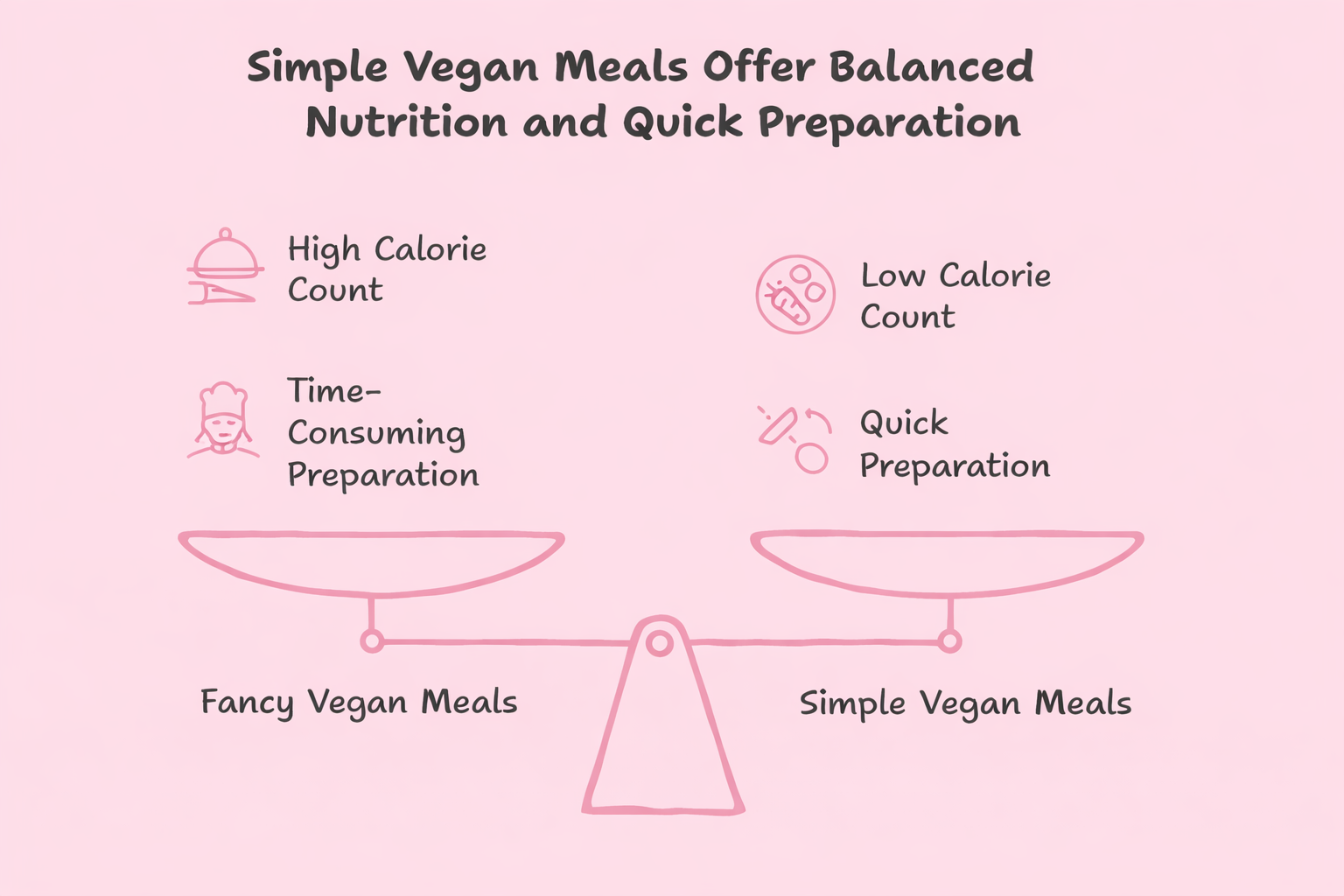
A low calorie diet really just involves paying attention to how dense the calories are in the food. You do not have to cut out everything or skip meals or anything drastic like that. It is more about choosing stuff that fills you up without packing in too many calories per bite or volume.
Vegetables and fruits from plants tend to be low in calorie density. That means you can load up your plate with them and still keep the total calories down. For example, things like leafy greens or cucumbers, zucchini, tomatoes, and bell peppers provide a lot of bulk and good nutrients, but not much in the way of calories. Because of this, it feels easier.
Once you begin to see food through this lens, building low calorie vegan meals becomes much simpler, as a clear meal plan guide can help you structure portions effectively. It’s less about strict counting and more about smart combinations.
| Benefits of Low‑Calorie Vegan Foods | |
| Benefit | How It Helps |
| Naturally High in Fiber | Keeps you full longer and supports digestion |
| Lower in Saturated Fat | Good for heart health |
| Rich in Phytochemicals | Helps protect cells and reduce inflammation |
| Flexible & Flavorful | Endless variety of foods and cuisines |
| Supports Weight Goals | Helps balance calories without hunger |
Building Satisfying Low-Calorie Vegan Meals
Creating balanced meals starts with structure. Imagine your plate divided thoughtfully. The largest portion consists of colorful, fibrous, and nutrient-rich vegetables. The next portion includes plant protein such as beans, tofu, or lentils. The remaining space is filled with whole grains or starchy vegetables for sustained energy.
This balance is going to make your muscles move, and your metabolism remain at a steady state even when you are counting calories prudently. Flavors play a crucial role, as tasteless food quickly loses its appeal. You can incorporate herbs and spices, add a splash of citrus or vinegar, and include fresh ingredients like garlic or onions, all without the addition of oils or heavy sauces that would increase the calorie count.
It avoids the mid-afternoon crash that normally occurs when the meals are deficient in protein or fiber. When food tastes good, consistency becomes easier.
| Snack Ideas: Quick, Light, Nourishing | |
| Snack | Benefits of Low-Calorie Vegan Snacks |
| Fiber-Rich Snacks | Help keep you full between meals and support healthy digestion |
| Naturally Sweet Options | Satisfy sugar cravings without added sugars or excess calories |
| Light & Crunchy Choices | Offer satisfaction and texture with minimal calorie intake |
| Flexible & Flavorful | Let you eat more while still staying within your calorie goals |
| Supports Weight Goals | Keep you refreshed and energized without feeling heavy |
| Dinner Ideas: Balanced & Satisfying | |
| Dinner Category | Benefits of Low-Calorie Vegan Choices |
| Fiber-Rich Plates | Supports better digestion and keeps you satisfied longer, reducing late-night cravings |
| Plant Protein-Based Dinners | Provides sustained energy while helping maintain muscle and overall body strength |
| Broth-Based & Light Meals | Keeps calorie intake in check while still offering comfort and warmth |
| Low-Carb, Vegetable-Forward Options | Helps avoid bloating and promotes a lighter, more restful feeling at night |
Everyday Inspiration Without Complication
You do not have to eat sophisticated foods or have a meal strategy to maintain your calorie count. What is more important is selecting those foods that maintain balance naturally, foods that are lighter, nutritional, and easier to digest by your body.
The best way to eat vegan is to make it low-calorie and centered around fiber-rich, hydrating, and natural foods that are typically plant-based. Such meals will make you feel full without feeling heavy, and hence you will find it easy to stick to them all day.
Rather than thinking about particular meals, consider the way that you feel about what you eat. Light but full, plain but nutritious, and full without a gluttony. Once your food is balanced like this, your energy levels are always even, and your cravings are more manageable.
Functionality is more important than passion. When you incorporate healthy eating into your daily routine, and your everyday choices align with your well-being, healthy eating will no longer feel like a challenge and will naturally integrate into your life.
Foundations: Key Food Categories for Your Plate
Let’s break down some of the most satisfying and versatile plant foods for a low calorie vegan lifestyle and how they function on your plate:
Vegetables: The Heart of Every Meal
Vegetables are the backbone of any low calorie vegan meal. They are packed with vitamins, minerals, phytonutrients, and fiber while being naturally low in calories.
Examples:
- Leafy greens (spinach, kale, arugula)
- Cruciferous veggies (broccoli, cauliflower)
- Bright peppers, tomatoes, and cucumbers.
Why they’re great:
- High fiber equals greater satiety.
- Great for volume eating (big plate, few calories).
- Simple to include in any meal.
Fruits: Where Sweetness Meets Intelligence
While naturally sweet, fruits provide fiber and hydration:
- Berries, melon, citrus, apples.
- Great for low calorie snacks or dessert alternatives.
Tip: Pair fruit with a handful of protein (like chickpea snacks or seeds) to keep blood sugar stable.
Legumes & Plant Proteins: Satisfaction Without Excess
Beans, lentils, peas, and chickpeas are cornerstones of filling plant‑based meals. They offer:
- Plant protein.
- Complex carbohydrates.
- Steady energy.
While not ultra‑low in calories, they are nutrient‑dense and keep you full longer, making them ideal for balanced main meals.
Whole Grains: Energy That Lasts
Choose whole grains like:
- Brown rice.
- Quinoa.
- Barley.
- Oats.
They provide fiber and slow-burning energy and keep portions mindful to stay within a low calorie diet framework.
Healthy Fats: Flavor With Control
Fats elevate taste and satisfaction but are more calorie‑dense, so mindful portions keep dinners and snacks aligned with your goals.
Include:
- Avocado (just a small amount.)
- Nuts & seeds (in moderation)
- Tahini or hummus (for flavor and texture)
Lifestyle Habits That Make It Sustainable
A vegan diet with low-calorie intake is only sustainable when it is part of your daily routine and not when it is an additional burden you need to deal with. This is aimed at eliminating friction, so moderate decisions will be instinctive rather than something one has to work hard to make.
It is better to have an overall idea of what is healthy in your body, such as fiber-rich foods, plant-based proteins, and nutrient-dense ingredients, to make it easier to make decisions on a busy day. Consistency will be a lot easier when your environment is conducive to your decisions.
Awareness creation on what to eat is also significant. Once you know how various foods can help you gain energy, feel full, and generally be more nutritious, you will have the ability to make more confident and balanced choices, and you will not worry about every single meal.
Why This Approach Supports Long-Term Health
A plant-based low-calorie diet naturally emphasizes whole foods, which are associated with improved heart health, better digestion, and stable energy levels. High fiber intake supports gut health and satiety. Reduced reliance on processed foods lowers excess sugar and saturated fat intake. Over time, these small daily choices compound into noticeable benefits.
People who have adopted a low calorie vegan lifestyle often report that they feel lighter, more energized, and mentally clearer. That sense of lightness does not refer to physical weight, but rather to how your body moves and feels.
The beauty of this lifestyle is its flexibility. It adapts to different cuisines, seasons, and preferences. You can explore global flavors while still staying aligned with your goals.
Let Foodsie Simplify the Process
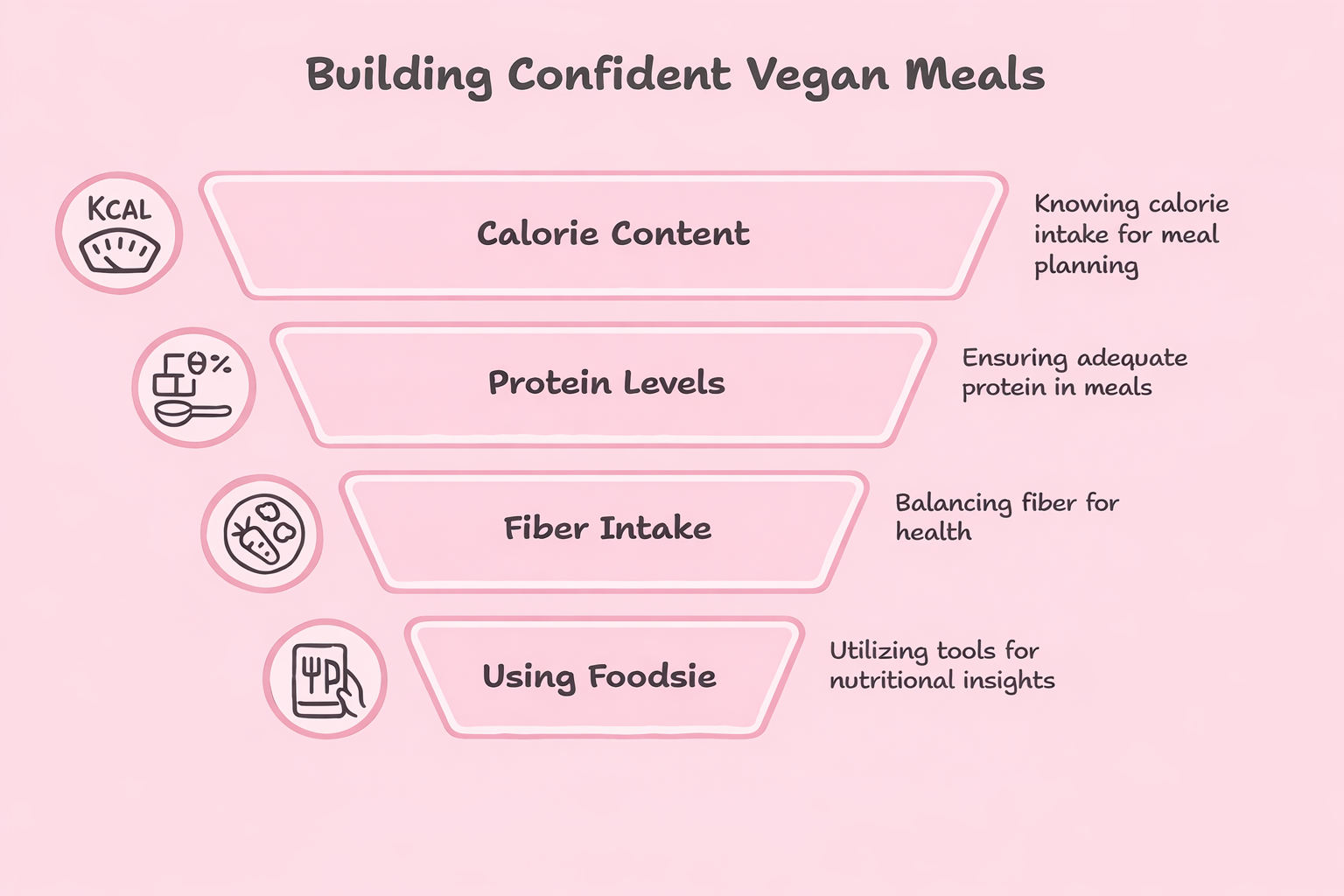
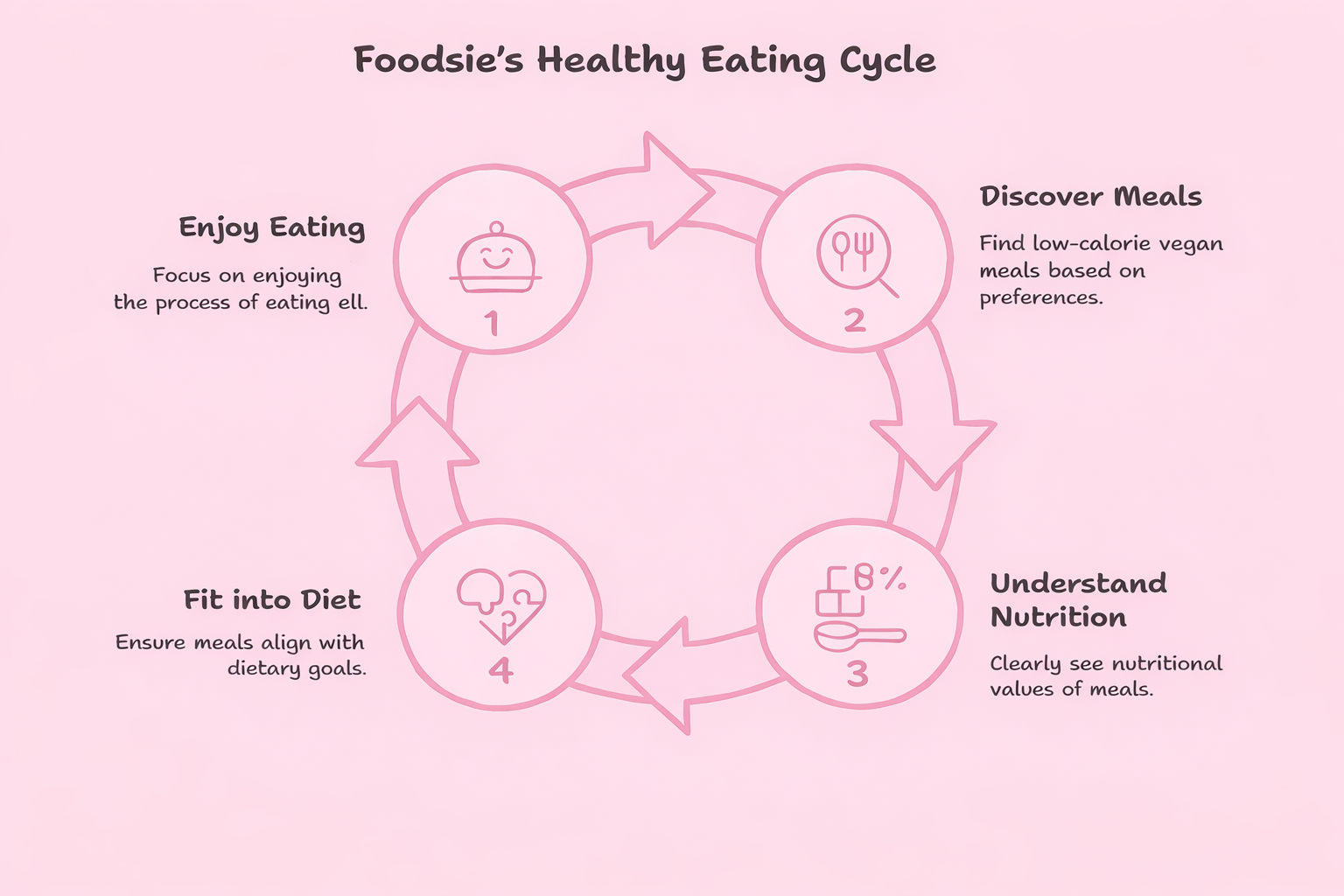
Inspiration is very significant, but it would be easier with practical support. Foodsie’s Nutritional Information is a tool that will help you find vegan, low-calorie food depending on your needs and interests. It enables you to know the nutritional values well so that you can visualize how your meals will fit into your low calorie diet. You are no longer required to spend hours going through the search engine or calculating, but rather enjoy the act of eating well.
Healthy eating shouldn’t feel complicated. With the right tools and mindset, it becomes intuitive.
Conclusion
Delicious low-calorie vegan eating is not about restriction. It’s about intention. It’s about filling your plate with vibrant vegetables, nourishing grains, and satisfying plant proteins that support your body without excess. It’s about choosing low calorie snacks that energize you and low calorie dinners that comfort you without heaviness.
When you are curious about food instead of trying to control it, eating healthy becomes something you can actually keep up with. Every meal is a chance to feed your body in a way that feels good, both physically and mentally. Eventually, these choices add up, and you end up with a lifestyle that is all about balance and not following crazy diets.
Start simple. Stay consistent. Let your meals be colorful, satisfying, and aligned with your goals. And when you need guidance or inspiration, Foodsie is there to help you explore, understand, and enjoy every step of your plant-based journey.
Ready to keep things simple and satisfying? Discover more with Foodsie and take the next step in your journey.
Frequently Asked Questions
Will I Stay Full on a Low-Calorie Vegan Diet?
Low-calorie vegan diets combat hunger through high-fiber plant foods like vegetables, legumes, and whole grains, which provide volume and satiety without excess calories. Unlike myths suggesting constant hunger, these foods' water and fiber content allow large portions while keeping intake low.
Do Vegans Get Enough Protein on Low Calories?
Yes, low-calorie vegan proteins such as tofu, tempeh, lentils, chickpeas, and seitan deliver ample protein with minimal calories—for example, seitan offers 36g protein per 180 calories in a 4oz serving. Legumes and soy products like tofu (12g protein per 120 calories) ensure satisfaction and muscle support without calorie overload.
What Are Easy Low-Calorie Vegan Snack Ideas?
Popular options include sliced veggies with chickpea hummus for fiber and protein, fresh fruit with lemon, air-popped popcorn with herbs, and baked kale chips, all under 200 calories while nourishing. These snacks provide crunch, hydration, and fullness, aligning with volume eating principles.
How Does Low-Calorie Vegan Support Weight Loss?
Vegan diets promote weight loss via low energy density—high-fiber plants mean fewer calories per gram—leading to natural calorie reduction and post-meal calorie burn. Studies show vegans lose more weight than other groups when focusing on whole foods, without strict counting.