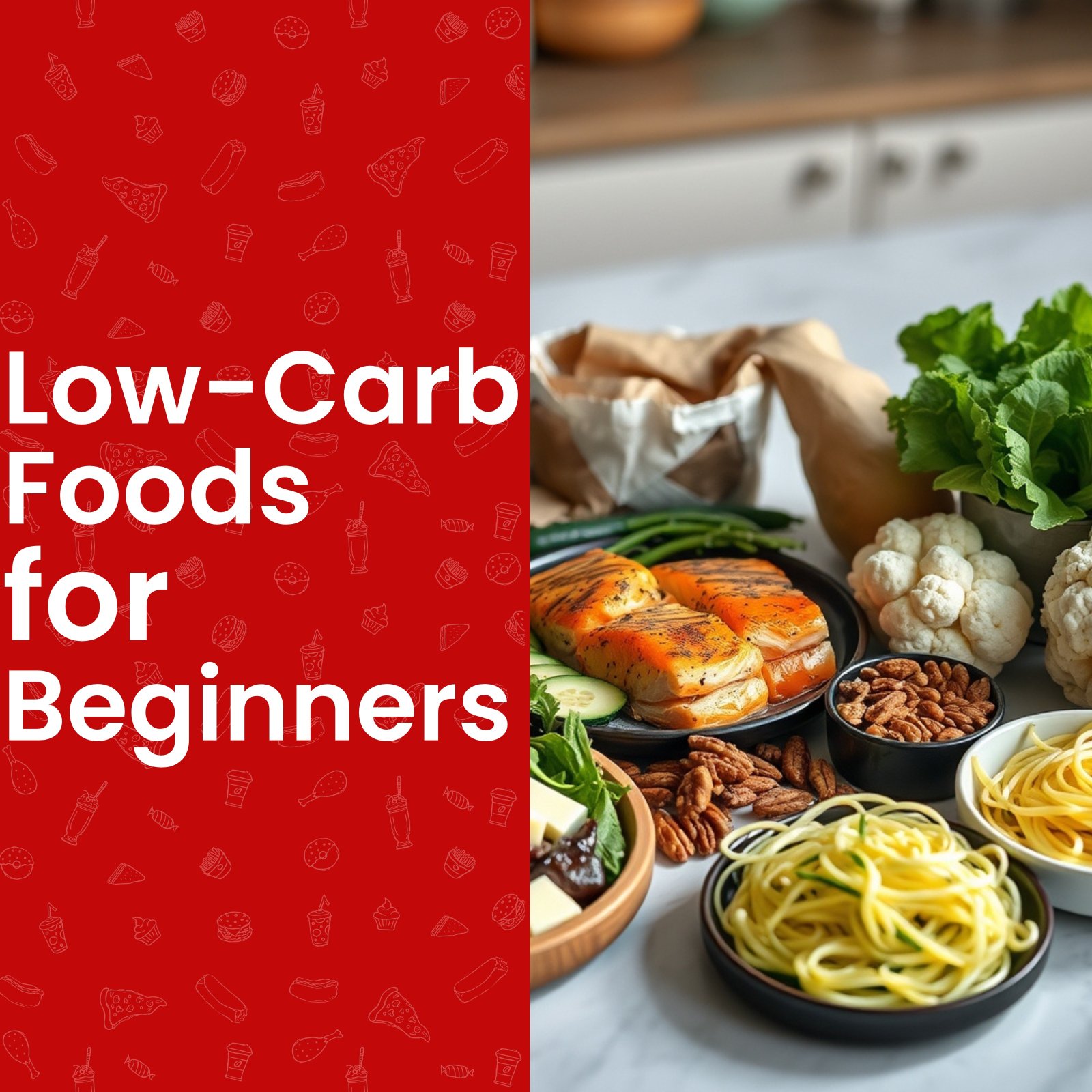
Low-Carb Foods for Beginners: What to Eat & What to Avoid
2026-04-10
Introduction
At first, it may be confusing to start a low carbs lifestyle. You read that cutting carbs is good to maintain weight and energy levels, but then the questions arise: what should you eat, and what should you avoid? In the absence of such definite directions, one can easily be confused or revert to previous eating habits.
The fact is that a properly designed low carb diet does not consist of removing whole food groups or starving. It is all about making smarter food decisions, knowing which carbohydrates are helpful to your body, and creating meals that leave you full. After knowing the ropes, making balanced, delicious low carb meals without worrying so much about what you are eating is much easier.
This Foodsie’s guide is fit for beginners who desire a practical and straightforward method. We will deconstruct the most good foods to eat, which foods to moderate, and how to create healthy low-carb meals that will indeed keep you full.
Understanding What “Low-Carb” Really Means
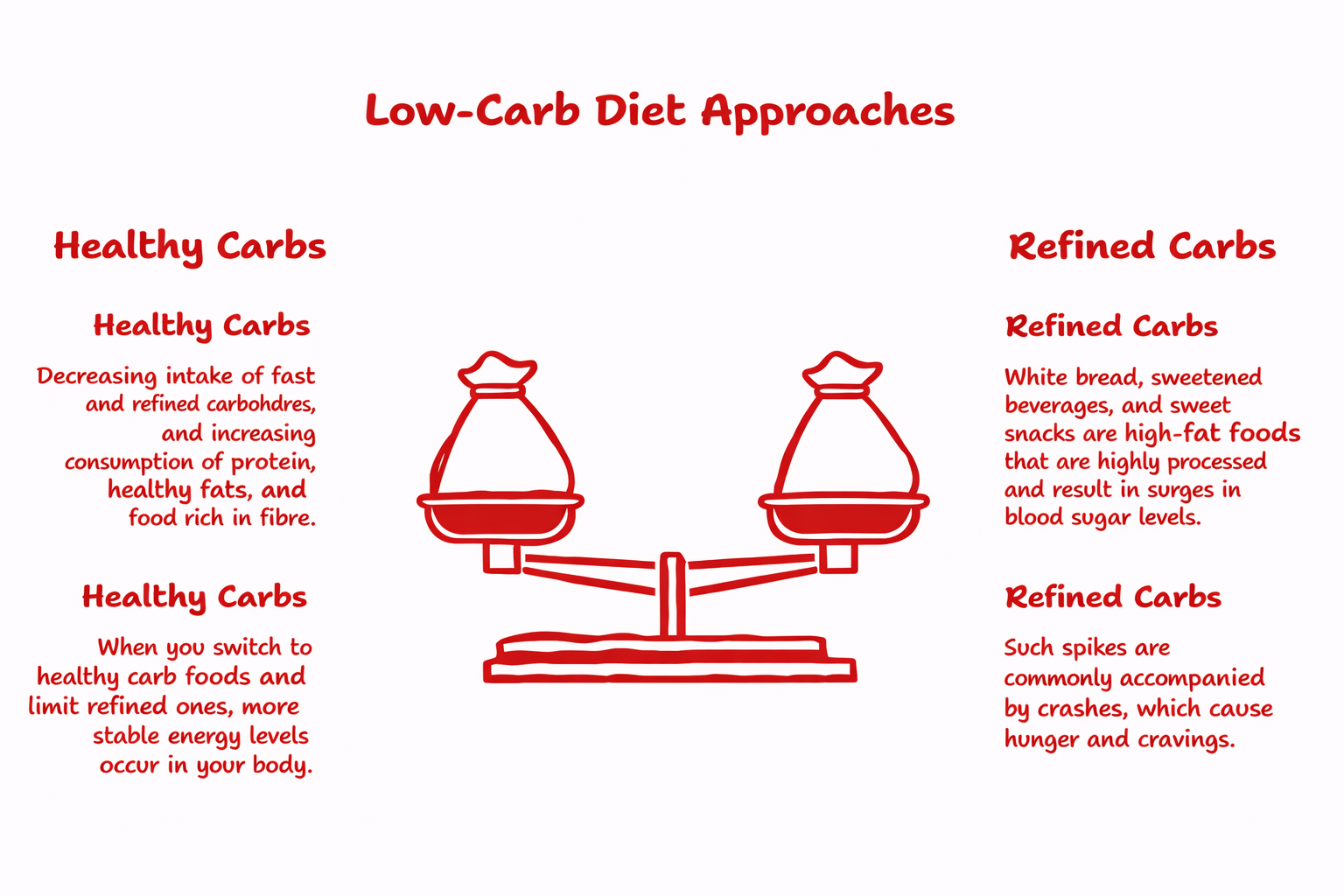
The emphasis of the low-carb diet is on decreasing intake of fast and refined carbohydrates, and increasing consumption of protein, healthy fats, and food rich in fibre. The idea is not to avoid carbs entirely, but rather to select a healthier one and eat it in moderation. Focusing on healthy carbs can make this transition easier while maintaining energy and balance.
Many people believe that the issue lies in the quantity of carbohydrates, but the real concern is the type of carbohydrates involved. White bread, sweetened beverages, and sweet snacks are high-fat foods that are highly processed and result in surges in blood sugar levels. Such spikes are commonly accompanied by crashes, which cause hunger and cravings.
When you switch to healthy carb foods and limit refined ones, more stable energy levels occur in your body. This will help to remain regular and prevent unnecessary snacking.
Why a Low-Carb Diet Works for Beginners
Among the largest benefits of a low-carb diet is the ability to help control the appetite naturally. Properly constructed meals assist in making you feel fuller over extended durations, eliminating the need to frequently consume them. This is similar to how low-calorie foods are used to improve satiety without increasing overall intake.
This is because protein and healthy fats are digested more slowly compared to refined carbohydrates. This leads to a consistent flow of energy into your body rather than highs and lows. This balance can ultimately help you feel more in control of your eating routine and less stressed.
This is because you do not need to be concerned with counting calories strictly as a beginner. Rather, eat healthy low-carb meals, and your body will have a more natural way of regulating hunger.
What to Eat on a Low-Carb Diet
The first step towards creating a sustainable routine is knowing what to add to your diet. It is preferable to pay attention to whole, nutrient-rich foods that are a source of long-term energy.
Protein-Rich Foods
Protein is something that ought to be of central consideration in your meals since it contributes significantly to your fullness. The foods such as eggs, chicken, fish, and yogurt are good choices that can be easily incorporated into a low-carb diet.
Moderate consumption of plant-based sources can also be considered, such as lentils and beans. Not only do they supply protein, but they also contain fiber that aids digestion.
Healthy Fats That Support Fullness
Fats are also necessary when cutting down on carbs, but they are healthy. They postpone the digestive process and make food more fulfilling, avoiding the feeling of hunger all day long.
Great additions are foods such as avocados, olive oil, nuts, and seeds. These can be added to your low carb meals and will make a significant difference in your post-eating satisfaction.
Non-Starchy Vegetables
One of the most significant ingredients of a low-carb diet is vegetables. They contain a naturally low amount of carbohydrates and are high in fiber, vitamins, and minerals. Including more high-fiber foods can further improve digestion and help you stay full longer.
Meals can be generously added with options such as broccoli, spinach, zucchini, and bell peppers. They make your meals more satisfying by adding size, but not extra calories.
Examples of Healthy Carbs to Include
There are some carbs worth retaining even in a low-carb diet. These are commonly known to be the healthiest carbs since they are sources of fiber and needed nutrients. Some of these options are also considered among the best high-carb foods when chosen in their whole, unprocessed form.
Whole grains such as quinoa, fruits such as berries, and vegetables like sweet potatoes are some good examples of healthy carbs. It can be more convenient to add them in small doses to balance out your diet.
What to Avoid on a Low-Carb Diet
It is as important to know what not to eat as it is to know what to eat. Some foods may complicate keeping track as they make one feel hungry and crave.
Refined Carbohydrates
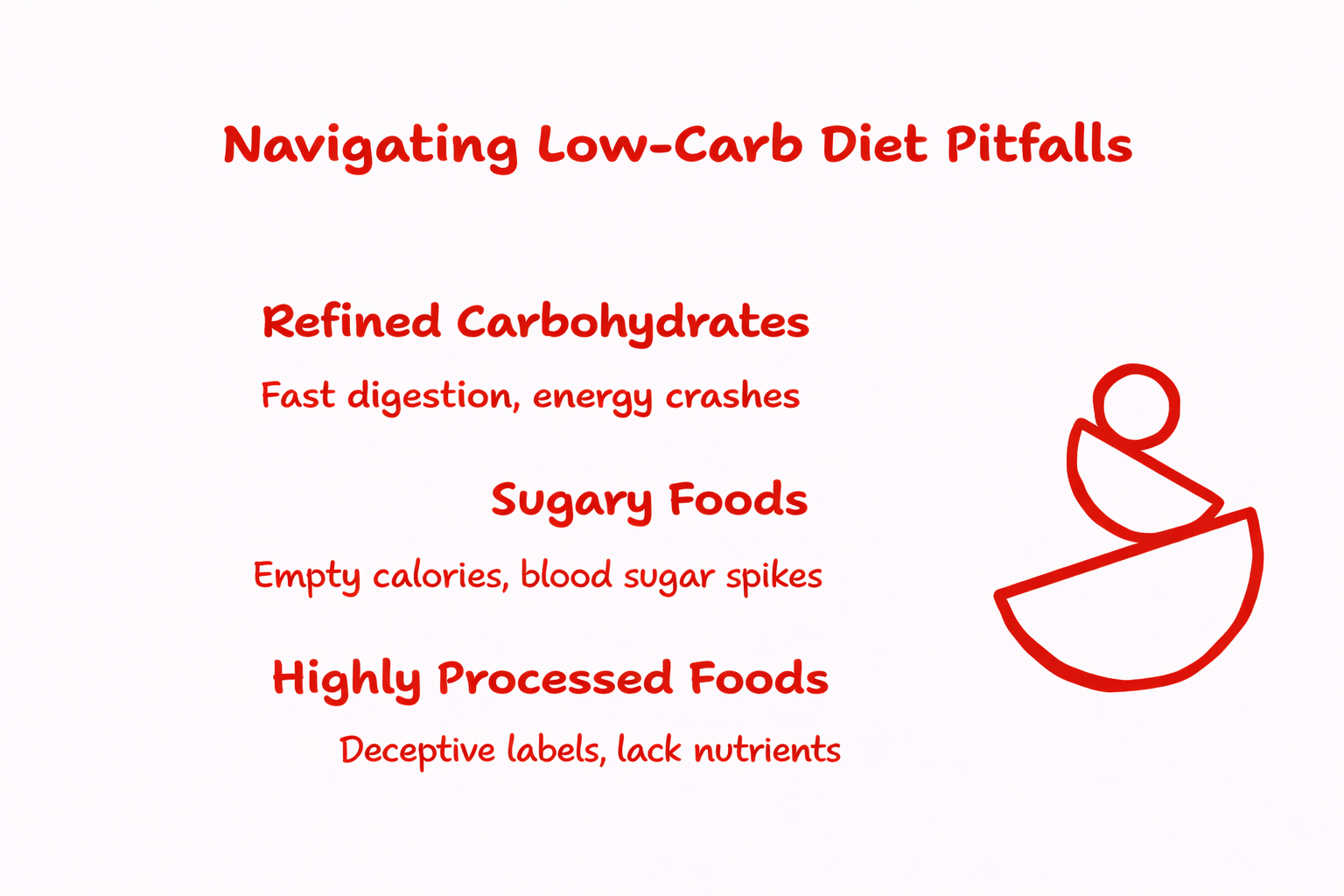
White bread, pastries, pasta, and other foods prepared using refined flour are fast to digest and do not provide much nutritional benefit. They tend to produce energy crashes, and it is hard to be consistent.
Sugary Foods and Drinks
One of the largest impediments to a low carb diet is sugar. It gives empty calories and leads to a rapid increase in blood sugar. Packaged snacks, desserts, and soft drinks should be minimized.
Highly Processed Foods
Even the low-carb label of packaged foods can be deceptive. Most of them have additives and do not have the nutrients that your body requires. It is always better to concentrate on whole foods.
Building Healthy Low-Carb Meals That Work
The most important trick to achieving a low-carb diet is creating balanced meals. Rather than thinking about what one should restrict, consider putting the right things together to create gratifying plates.
An excellent meal usually consists of a source of protein, fats that are good fats, and a big amount of vegetables. This blend helps to sustain fullness and maintain your energy level at a constant level.
To illustrate, a basic dish of grilled chicken and sauteed vegetables, and olive oil can be much more fulfilling than a high-carb meal. Gradually, constructing food in this manner turns into a routine and it will be easier to follow the pattern.
Healthy Carb Snacks That Fit Into Your Diet
Snacking does not have to be done away with; it needs to be smart. The right snacks can be used to keep you energized without derailing your progress.
Rather than opting for processed choices, use healthy carb snacks that contain fiber and protein. A handful of nuts and fruit or yogurt and seeds will keep you full in between meals.
Such snacks are not only convenient, but they also prevent the starvation that has the tendency to cause overeating in the later part of the day.
Making Low-Carb Eating Simple and Consistent
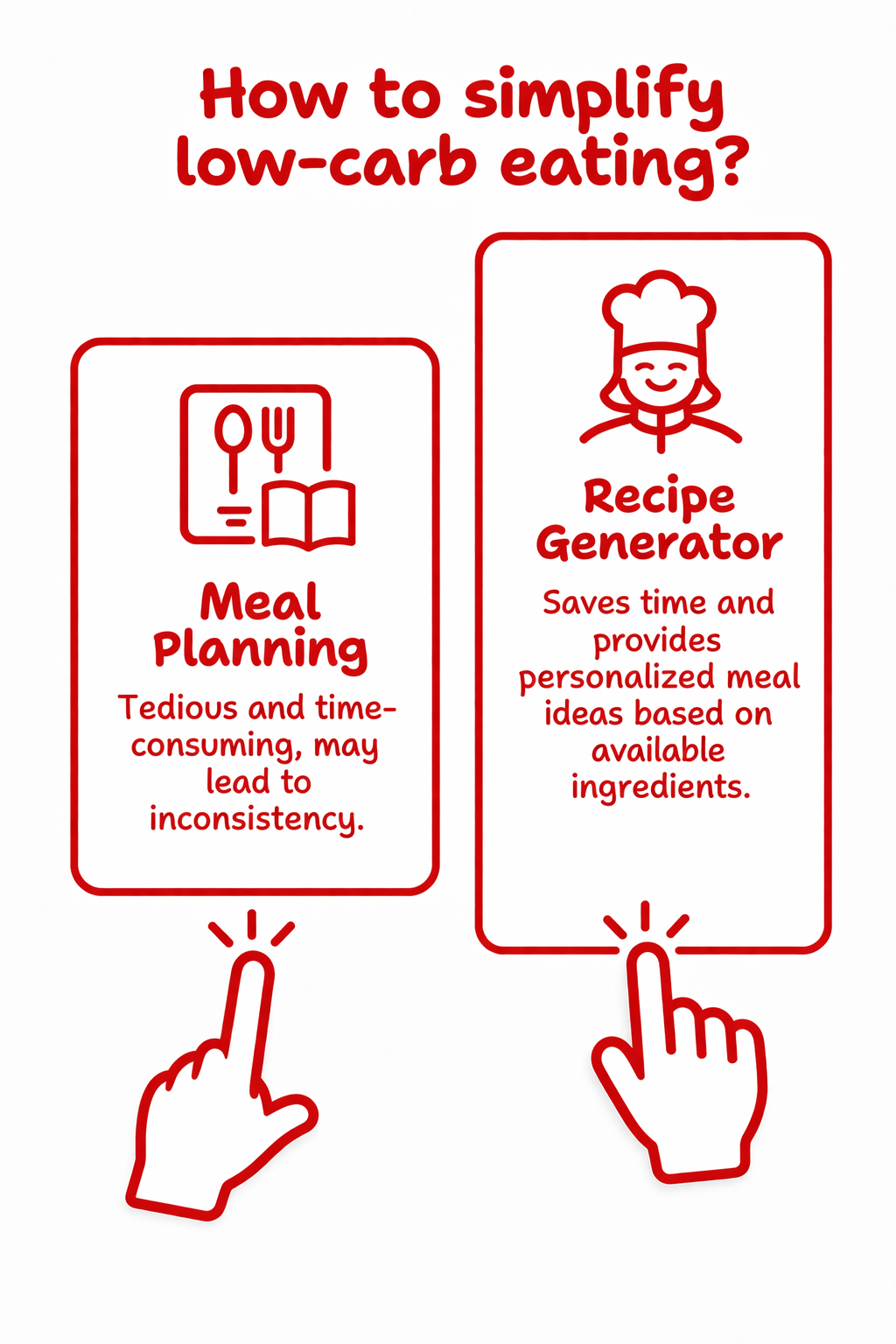
Among the biggest problems novices have to deal with is the question of what to cook on a day-to-day basis. Despite the appropriate ingredients, meal planning may be tedious or time-consuming.
The support of the right kind will come in at this point. To save yourself the time of scrolling through the internet to find low carb recipes, you can use the Recipe Generator of Foodsie to make your own personalized low carb meals depending on the ingredients you already have in your possession.
Be it vegetables or proteins, or pantry food, the tool will assist you in transforming them into realistic meal ideas that will work with your low carbs lifestyle. It leaves the guesswork out, and it is easier to maintain consistency without becoming overwhelmed.
Common Beginner Mistakes to Avoid
It is easy to start a low-carb diet, yet several pitfalls may complicate the process to an extent that it should not.
One of the most common is excessive cutting of carbs. In case the changes are too radical, your body might not be able to cope, which will result in fatigue and cravings. An incremental strategy is more likely to be sustainable.
One more error is not eating enough. Avoiding excessive carbs with a lack of protein and fats may render meals unsatisfactory, leading to excessive snacking.
It can also be deceptive to highly depend on processed low-carb products. These alternatives are convenient but usually do not contain the nutrients and balance of whole foods.
Conclusion
It is not necessary to make it difficult when starting a low carbs lifestyle. With an emphasis on whole foods, the selection of appropriate healthy carb foods, and the construction of balanced, healthy low-carb meals, you can create a routine that is also feasible and satisfying.
It is not about getting rid of carbs but rather about choosing wiser and knowing the impact of various foods on your body. Regular consumption of healthful carbs in moderation, as well as selecting superior healthy-carb snacks, will help you balance without feeling confined.
When you have the proper mindset and the tools to make it easier, then managing and maintaining a low carb diet becomes a much easier task. Tiny, regular adjustments can give long-term outcomes without frustrating changes that accompany tough diets.
Ready to simplify your low-carb journey? Sign up on Foodsie today and take advantage of powerful features like the Recipe Generator to create personalized, balanced meals with ease. Turn your everyday ingredients into healthy, satisfying dishes, without the guesswork. Start building smarter, more consistent eating habits with Foodsie.
Frequently Asked Questions
What Counts as a Low-Carb Diet?
A low-carb diet typically limits carbs to 50-150 grams daily, focusing on proteins, healthy fats, and non-starchy veggies instead of refined sugars and grains. This approach stabilizes blood sugar and reduces cravings by emphasizing whole foods.
What Proteins Are Best for Low-Carb Eating?
Choose eggs, chicken, fish like salmon, and moderate legumes such as lentils; they promote fullness and muscle maintenance without carb overload. These options digest slowly for sustained energy.
Which Healthy Fats Should You Include?
Avocados, olive oil, nuts, and seeds are ideal—they enhance satiety and support heart health when added to meals like salads or veggies. Prioritize these over-processed fats for better results.
What Veggies Fit a Low-Carb Plan?
Non-starchy vegetables like broccoli, spinach, zucchini, and bell peppers are low in carbs but high in fiber and nutrients, adding bulk to plates without calories. They aid digestion and keep you satisfied.
What tool can help me generate low-carb recipes using ingredients I already have?
If you’re looking to create low-carb recipes using ingredients you already have, Foodsie has you covered. With our Recipe Generator, you can simply add the ingredients available in your kitchen, and we’ll instantly suggest personalized low-carb meal ideas tailored to your needs. No more guesswork, no more endless searching, just practical, balanced recipes designed around what you already have. Start using Foodsie today and turn your everyday ingredients into smart, satisfying low-carb meals.