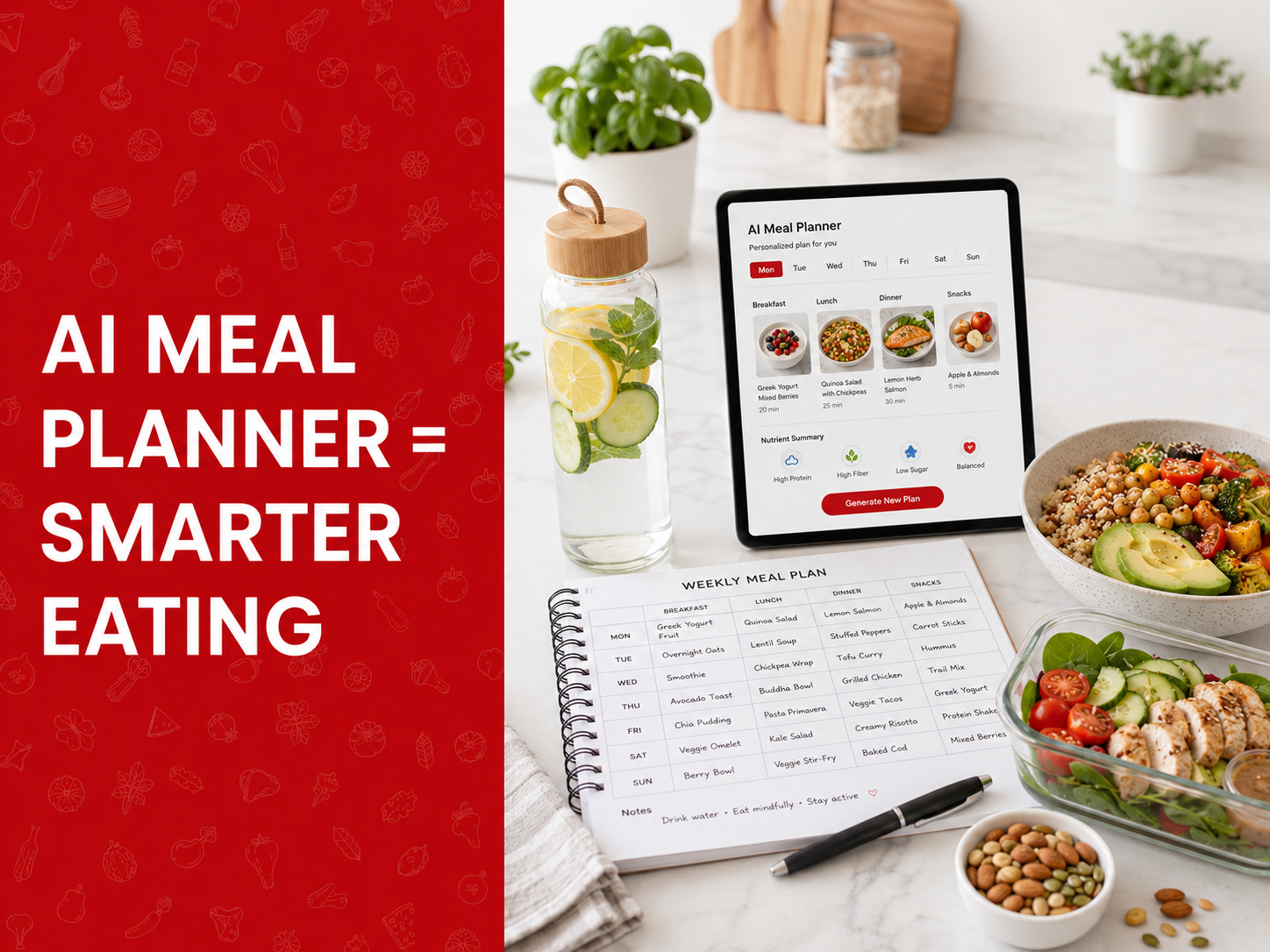
AI Meal Planner: Smarter Eating Without the Daily Guesswork and Stress
2026-07-11
Introduction
Most people don't know they have a problem until it becomes their problem when they have to make food decisions over and over every day, or when it is impacting their healthy eating, budget, and energy levels. Breakfast is rushed, lunch is just any available meal, and dinner is yet again a question everyone thought yesterday: What are we eating tonight?
Frustrating right? Ugh
The one thing that surprises them is that most people who don't do healthy eating lack discipline. They do not work because they are hard to do when each meal has to be planned, shopped for, calculated for, and discussed with the family members, and each meal is different.
With smart meal planning, customized recipe suggestions, and nutrition advice all rolled into a single app, Foodsie is looking to rewrite the playing field, eliminating a lot of the headache and hassle of meal prep.
In this guide, you'll understand how AI meal planners function, their growing importance for people with busy lifestyles, how they align with various dietary preferences, and why they could be a better way to healthy eating in the future than willpower.
Why Good Intentions Often Lose to Busy Schedules
It's hard to see how any healthy eating plan wouldn’t fail on Monday morning…
But they were defeated on Wednesday night.
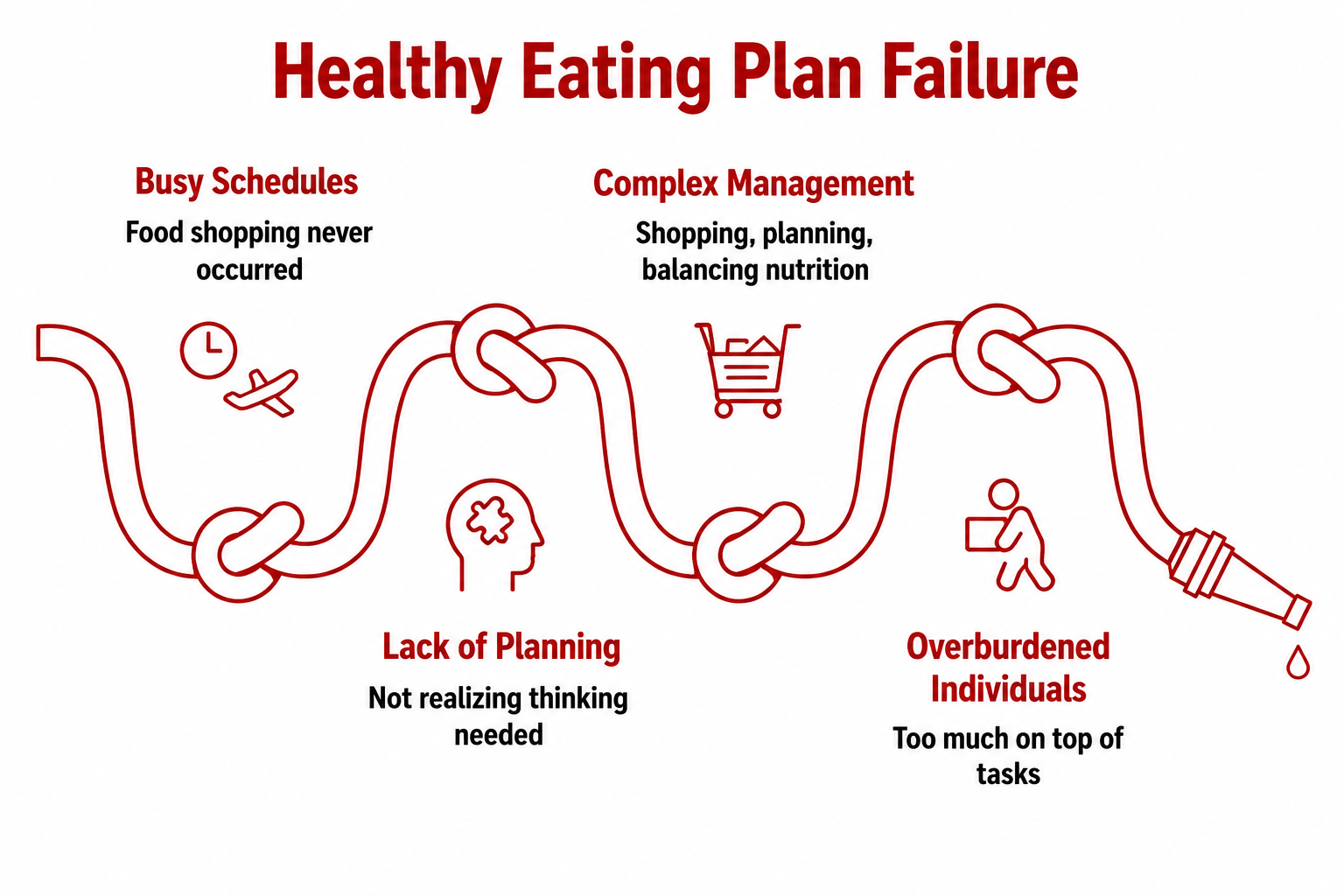
In other words, when the work time surpassed the allotted clock, food shopping never occurred, and the fridge wasn't quite stocked with all the ingredients, and now it feels like it's easier to eat out than to decide.
This cycle is very frequent since individuals may not realize the amount of thinking needed in food management.
Making a menu is not a choice of just breakfast, lunch, and dinner. It's all about shopping for food, planning meals, balancing nutrition benefits, keeping things in mind if you've already bought something, and more, even when things change as they inevitably do.
Expecting people who are already busy with careers, responsibilities, family, and studies to do additional tasks on top of that is too much.
Eating less also is not the answer to this issue, and no AI meal planner can force more discipline upon you.
It's able to solve it by achieving simplicity.
But what is an AI Meal Planner?
An AI meal planner is an intelligent program that can generate a personal meal plan that is tailored to your goals, preferences, dietary requirements, available ingredients, and lifestyle habits.
AI is unlike a typical spreadsheet or static planning calendar as it adapts to changing circumstances.
As your diet requirements change, so do the recommendations.
It's a small, but significant difference that makes all the difference.
The traditional meal plans suggest that people have to make their lives fit within a meal program.
Artificial intelligence works the other way around.
It creates Meal Plans based on real life.
A lot of people fail to stick with a traditional meal plan over a longer period
Oftentimes, traditional meal planning does not last very long.
Many planners that are printed are stashed away in kitchen drawers for a reason.
The majority of planning systems assume predictability of life.
The reality of life doesn't work out as planned.
Children are invited to birthday parties. Meetings run late. Unexpected guests arrive. Food is sold out in a grocery store. Motivation varies from week to week.
A template for a meal planner can assist with putting ideas into action, but it can fall short when there are changes that occur.
This is where AI comes in handy with flexibility.
It's not the case with intelligent planning systems that users have to begin their planning each time something changes; they are able to account for changes in the intent, the frame of the system being able to make adjustments without altering the overall shape of the week.
Consistency is then a lot easier to achieve due to this adaptability.
The Hidden Cost of Daily Food Decisions
The interesting pattern has been documented by researchers in the field of consumer behaviour.
The more decisions one makes during the day, the less well-informed they usually are.
It's everything from spending money to being productive to making food selections, and it's known as decision fatigue.
Many people don't opt for unhealthy foods in the evening, since healthy ones are their choice!
They're picking them because it's easier for them to do it without thinking.
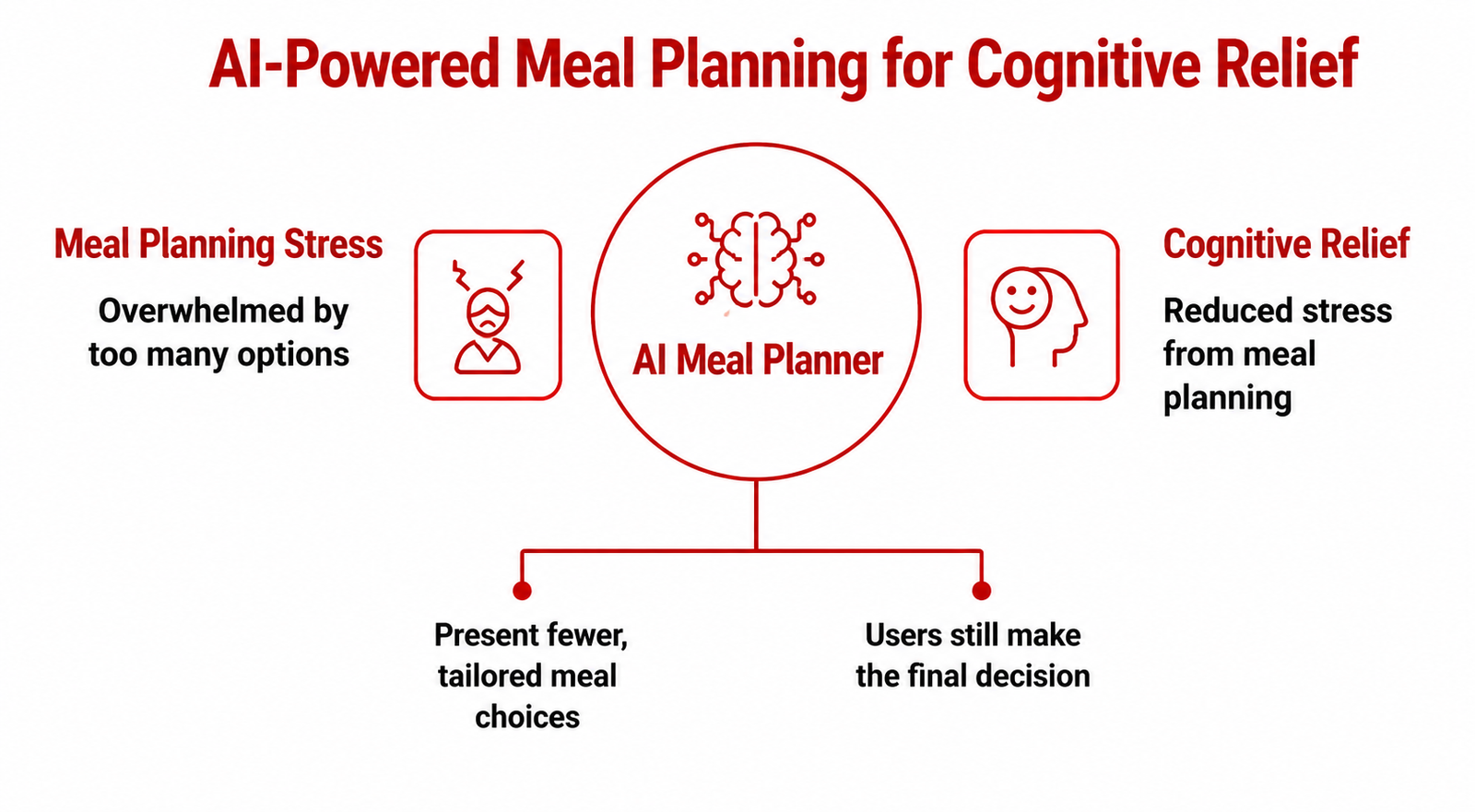
An AI-Based Meal Planner is no ordinary convenience.
It's cognitive relief.
Now users never have to grapple with dozens of options each night, but should instead be presented with a reduced number of options that are already more in synch with the users' target and desires.
It is still a matter of their choice.
The stress doesn't.
Can AI Actually Understand Your Eating Goals?
Personalization is one of the significant benefits of AI.
There are two different people who may have two different definitions of healthy eating.
One person may be more interested in sticking to a rigidly followed 1400 calorie meal plan and optimizing his or her exercise and work schedule.
Another might want to read up on the 90 30 50 meal plans in relation to a certain nutritional plan emphasizing protein, fibre, and healthy fats.
If you are a growing family, it's easy to choose foods that are delicious to everyone that do not have to be cooked separately by individual members of the family.
This is typically the same when a traditional meal plan is used.
AI doesn't.
It customizes suggestions based on unique goals and establishes strategies that feel achievable as well as not restrictive.
That is usually the distinction between a one-off experiment and a lasting practice.
Foodsie Meal Planner: Making Healthy Meal Plans Realistic
Foodsie's biggest selling point is that it is a personalized and functional site.
The Foodsie Meal Planner is not a product that is based on ideal weeks or schedules.
It is based on the real lives of people.
They can produce plans according to your likes and dislikes, nutritional objectives, favorite foods, food preferences, and the food requirements of the home without being constrained.
What's more important, those plans are adaptable.
Life changes.
Great meal planning systems should follow along with it.
Foodsie's intelligent planning method sees adjustments as a part of normal life and adjusts accordingly, instead of it being a failure.
That attitude is enough to make it easier to stay long-term consistent.
Why Meal Planning Is About More Than Weight Loss
Meal planning is an effective strategy for weight loss, but it's more than that.
Planning meals just tends to be a diet thing.
This is very limited.
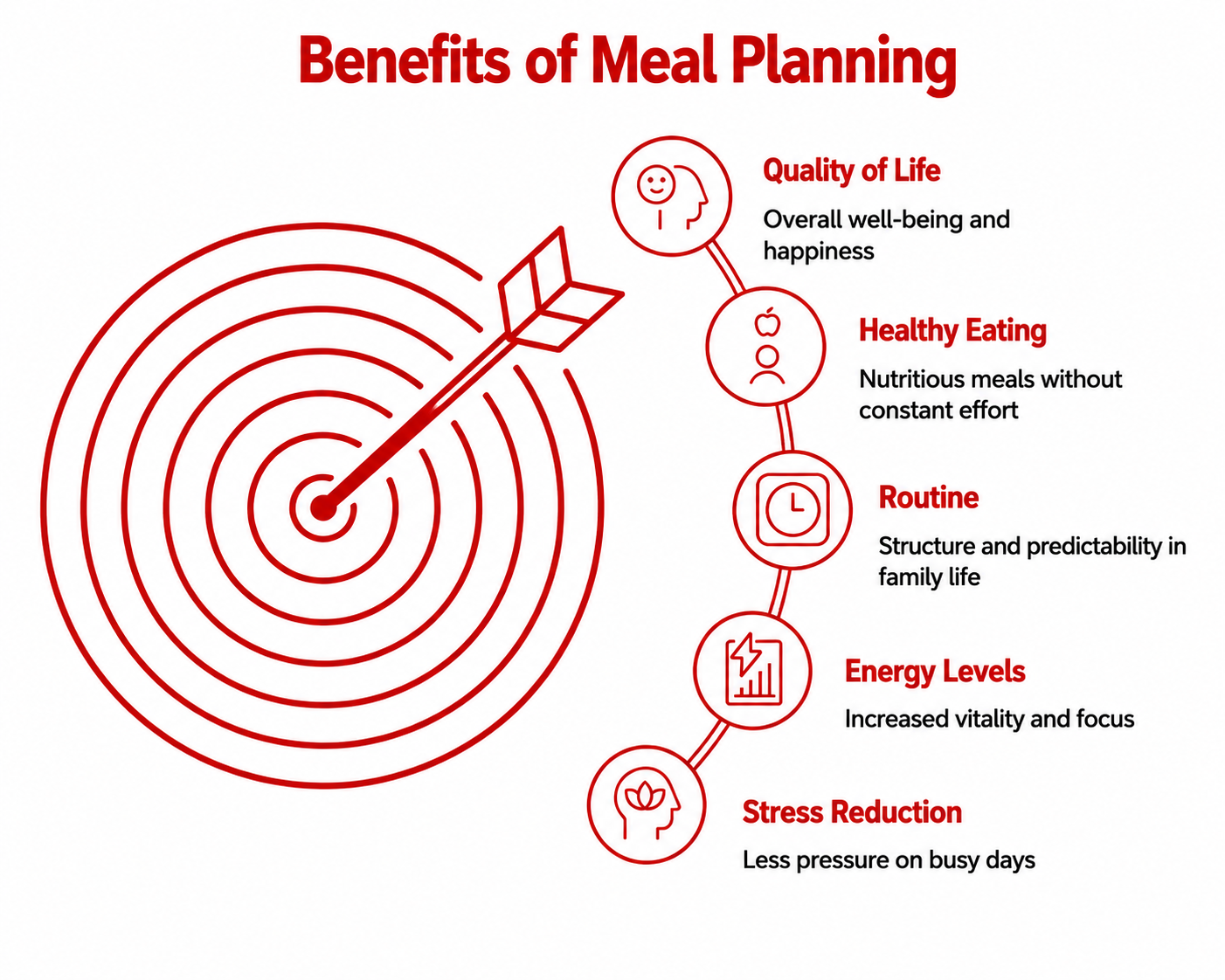
In many families, the truly important objectives are much bigger:
- Minimizing stress on busy work days.
- Saving money on spur-of-the-moment buying.
- Minimising food waste.
- Improving energy levels.
- Making plans to establish more routine within the family.
- Eating healthy without having to make an effort all the time.
One advantage might be weight loss.
It's not often a solo performer.
The best meal plans are as much about the quality of life as about nutrition.
The Rise of Intelligent Meal Generators
Meal planning was primarily a notebook, a spreadsheet, and a handwritten shopping list several years ago.
But with technology becoming the norm these days, individuals greatly expect that technology can do repetitive tasks for them.
This is what the modern meal generator is all about.
The users do not have to create the weekly plans from scratch; they can be recommended various plans that suit their needs within a few seconds, and still have full control over what they want to plan.
Technology isn't intended to supplant human decision-making.
It's to get rid of work that has little value and is repetitive.
There are always choices to make when it comes to meal planning…
No longer has to work hard to do so.
Why Family Meal Planning Feels Like a Full-Time Job
It's one thing to plan meals for yourself. It is great to plan meals for yourself.
It's quite another thing to plan for several people with different schedules, preferences, and appetites or different dietary requirements.
One person is looking to eat lighter foods. There's someone else who loves their comfort food! Kids grow weary and switch their plans halfway through the week. Kids get tired and forget halfway through the week. All this and suddenly, what seemed to be just a meal plan is now looking like project management.
This is the very reason so many home cooks don't use a cookbook and just cook from day to day.
Every day, improvisation means a lot more stress, unfortunately.
The plan for a family meal should do two things: create some structure and not take flexibility away. All are aware of what the coming week will bring; there's less time to wait in line to shop, and last-minute dinner arguments are less frequent.
It isn't just the organization itself that is the value.
It's a smoother ride within the house.
Can an AI Meal Planner Help Families Eat Together More Often?
In the whirl of a busy schedule, one thing that goes out of sight is the family dinner.
It is harder and harder to arrange shared meal times, due to work schedules, school commitments, commuting, and habits.
Many families don't stop eating together intentionally.
Things get just complicated in life.
What an AI meal planner can do is help you to understand what you can work towards continuity with, rather than perfection. Just dedicating two or three definite meals each week for family meals can help build good habits and eliminate the guesswork on otherwise hectic evenings.
The objective isn't building an Instagram-perfect dining table.
It's making habits that will last after leaving the lab!
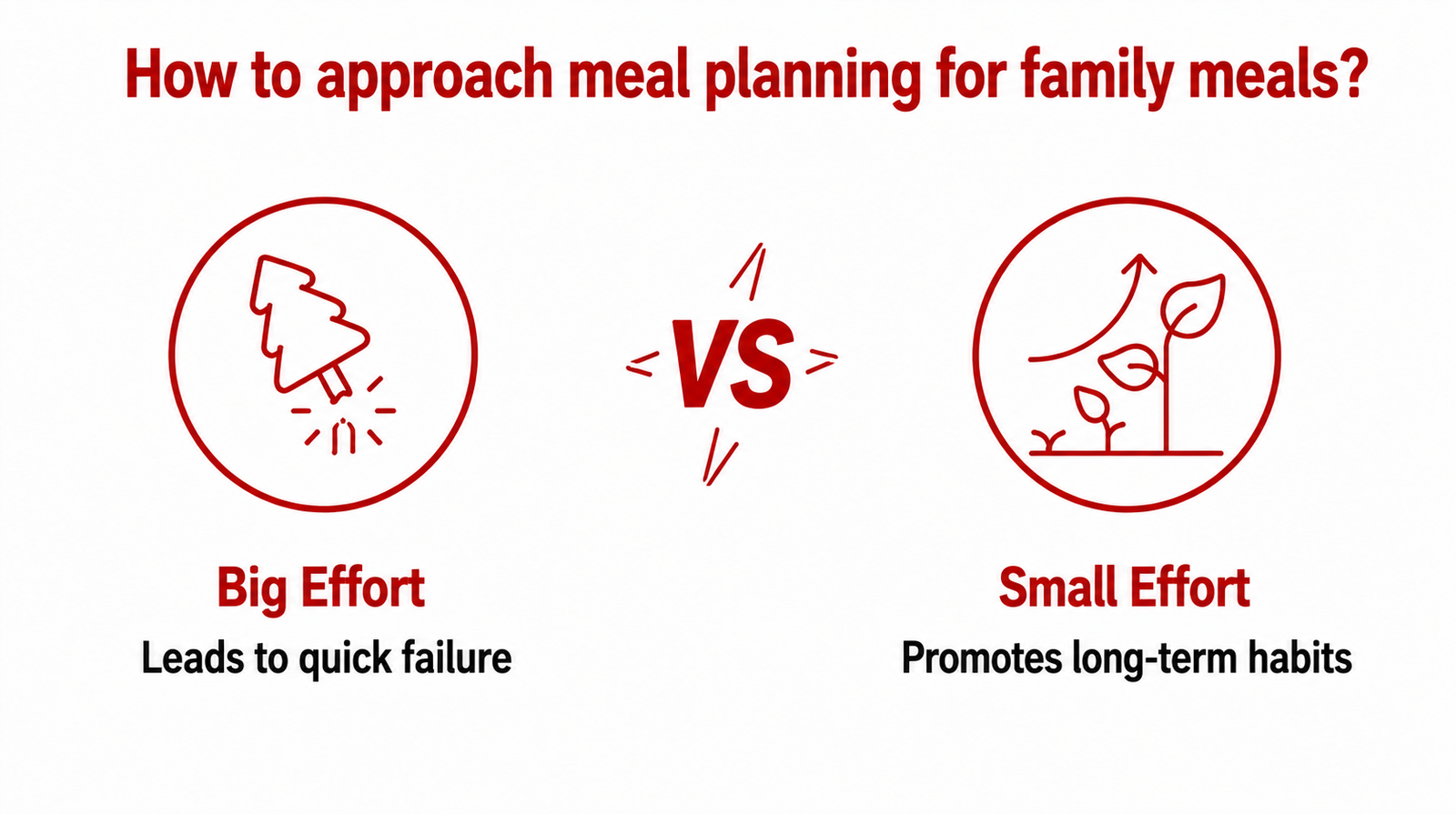
If you want a big change, then you need a big effort, which is typically a quick one that fails after 2 weeks. If you want a small improvement, you need a small effort, which is usually a long-term effort.
Why is flexibility more significant than perfection?
The reason people often fail with traditional meal plans is for the reason that it's so simple.
They're too rigid.
Missing breakfast for just one day can make the entire week feel chaotic. The planned ingredients are unavailable. The grocery strategy no longer proves effective. Many individuals respond by opting out of the program entirely, intending to "restart next week."
AI turns that on its head.
Intelligent planning systems react to unexpected changes rather than being considered a failure.
Swap a meal.
Schedule for another day.
Make suggestions depending on what ingredients there are. And helps in continuing to move forward.
That's the flexibility, making meal planning a supportive, not a strict system.
Believe it or not, individuals tend to be steady over longer periods when they're able to be imperfect.
Does AI Help to Save Money on Groceries?
Food is one of the most rapidly growing costs for a lot of homes.
The big problem is that a lot of that spending is not necessary but is due to inefficiency.
Duplicate purchases are made due to a variety of reasons, such as forgetting what is already present in the home. Product purchased for use as ingredients but not consumed. Impulse buying can be the result of last-minute shopping, and usually isn't part of the shopping plan.
Planning Meals is a form of Visibility.
Good visibility equates with good decision-making.
An AI meal planner can then enhance it by linking meals, ingredients, and timetables in an intelligent way that is not possible with traditional ways of planning meals.
It doesn't always involve a decrease in food intake.
It's wasting less.
Over the course of a year, that difference can become significant.
Why More Kitchens Are Letting AI Take the Lead
The smartphone has already taken the place of calendars, notes, shopping lists, and maps.
The same trend is happening with food planning as well.
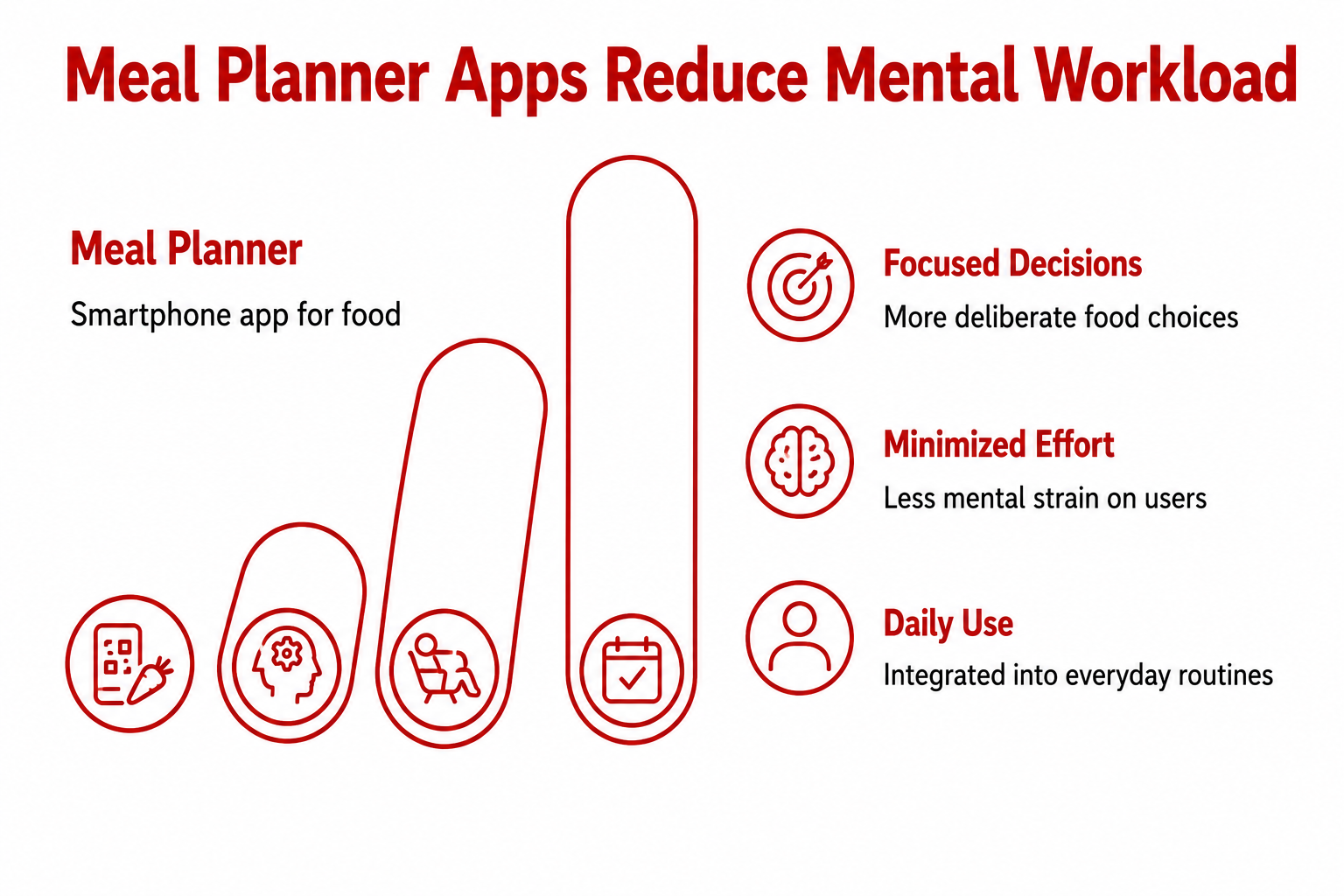
This is not a basic meal planning application. It helps to plan routines, makes decisions more focused, and minimizes the mental effort to manage the nutrition of the household.
It's an important point to consider that not many realize.
Mental workload is a reality.
Making and keeping appointments, arranging school schedules, handling work arrangements, buying food, planning meals, remembering birthdays, and other things happen without the person's knowledge, and are most likely passed from one person within the household to another.
Technology cannot take the place of responsibility.
It can aid in disseminating it more effectively.
One of the main reasons is that it's not just considered a luxury anymore, but a part of daily use.
Why Personalization Is Replacing Generic Diet Plans
Over the past few years, the guidance given on nutrition was very straightforward:
One plan.
Thousands of people.
Follow the instructions.
But it's now been revealed that this isn't a sustainable method for eating.
There are different solutions for each lifestyle. Fam-owners and those with long workdays have different nutritional requirements than parents juggling school days and after-work jobs, or students taking a variety of classes and working part-time.
AI enables planning systems to recognize such differences, whereas traditional systems tend to overlook them.
It isn't standardisation that's the future of nutrition.
It's personalization.
The change could be one of the biggest ways that AI brings to healthy eating.
Does AI Replace Human Judgment?
This worry is in nearly all dialogues about AI.
It's quite easy.
No.
While an AI meal planner advises on your food choices, it's your own decision to make.
It assists in making decisions that are more efficient.
The results are recommendations, pattern recognition, and reduction of repetitive tasks, all done by the technology, but all choices are made by humans.
Remember, it's not a manager, it's a "helper”.
An extremely tidy assistant.
One that keeps track of your preferences, patterns, and eliminates unwanted complexity from your week.
For most, it is just that kind of assistance they need.
How to choose the best AI meal planner for you?
There are different problems to solve and hence, different planning tools.
Many AI meal planners claim to make meal planning easier, but before opting for one, consider if it will help with what your real-life struggles are.
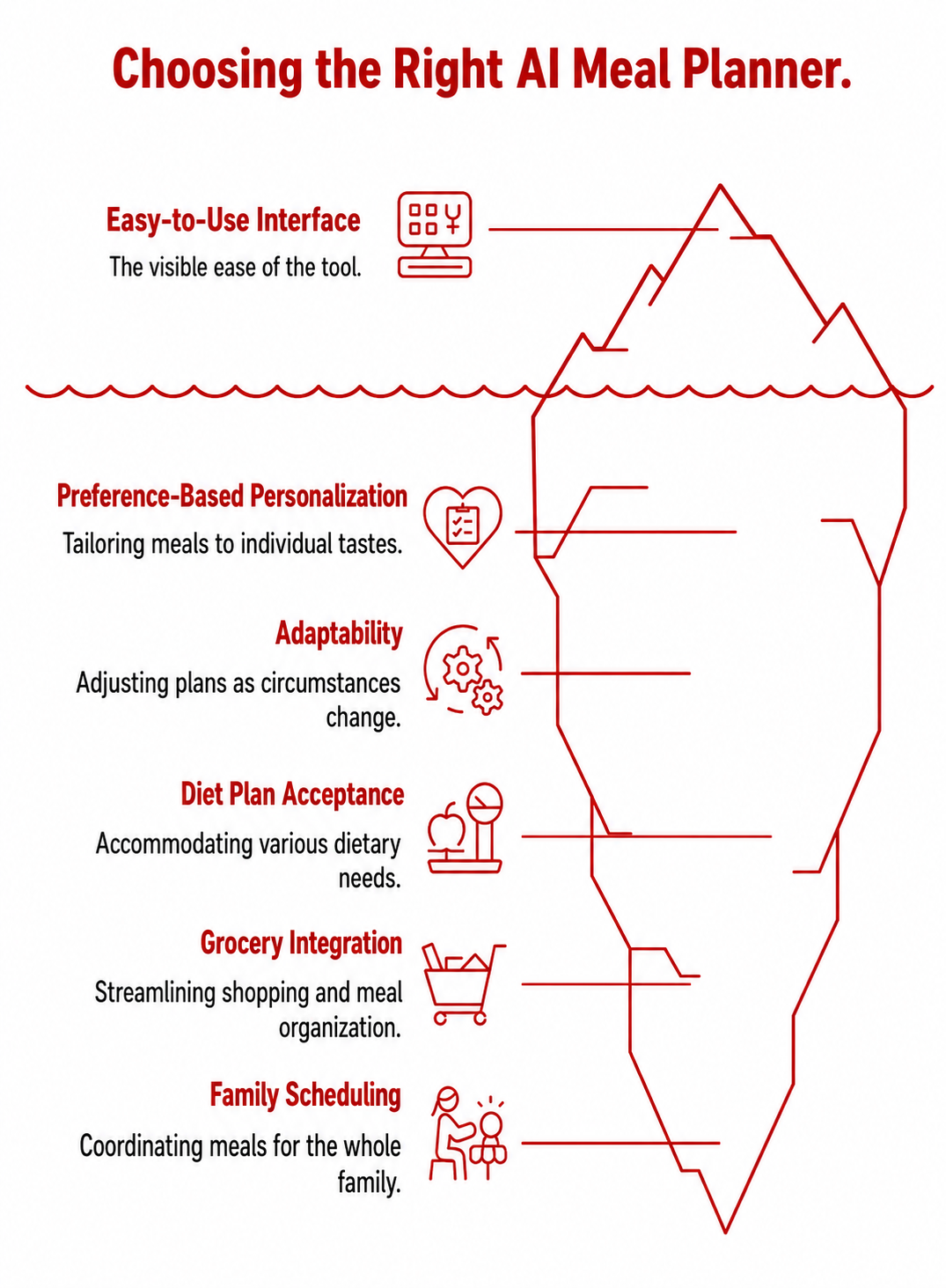
The best systems would have:
- Preference-based Personalization.
- Adaptability to change in plans as it happens.
- Accepting various diet plans and calorie goals.
- Grocery planning and meal organizing integration.
- Family-friendly scheduling options.
- Interfaces that are easy and don't require a lot of effort.
High tech is worth nothing if it is cumbersome and inconvenient.
The best tools are the ones you can barely see!
They just make life easier!
The Future of Eating May Be Predictable in the Best Possible Way
Eating convenience foods and healthy foods has sometimes been a battle for decades.
It was seldom the best choice when it was quick.
An effort was necessary to be able to make good choices.
Now, with the introduction of AI technology, that gap is starting to close.
AI helps to make good dietary choices easier, not harder, by cutting planning time, making things more organized and better understood.
That change could be more significant than the sum of its individual parts or features.
Habits are not likely to alter when motivated.
They change when it is easier to do the desired behaviour than the current behaviour.
That's where AI meal planning can help.
Conclusion
Making small food choices can have a big impact in many areas of life, routine, budget, energy, and the long-term health impact all play a factor.
People do not want to eat better; the challenge is that they don't.
It's because people in today's world are required to make so many decisions, and there isn't enough mental power or time to do them.
An AI meal planner steps in to fill this gap, minimizing guesswork, making meal planning easier, and developing personalized meal plans that fit into your daily life, not against it.
Foodsie's planning tools are smart and intelligent, and go beyond that; it's a unified, connected experience of planning, personalizing, and eating well, for real families and real schedules.
It's not a question of rules or willpower; it's a question of change in the future of healthy eating.
It may just be that they have smart systems in place that make good decisions that are easier to make.
And that is a future, many kitchens are prepared for.
Frequently Asked Questions
1. Is there a free AI meal planner available online?
Yes, many platforms offer a free AI meal planner that can create personalized meal plans based on your dietary preferences, health goals, allergies, and lifestyle. A free AI-powered tool can help simplify meal planning, reduce food waste, and save time by generating balanced meal suggestions automatically. If you're looking for an easy way to plan your meals, try Foodsie's AI Meal Planner to create customized meal plans tailored to your needs.
2. Which app generates balanced weekly menus automatically?
Apps like Foodsie's AI Meal Planner can automatically generate balanced weekly menus based on your dietary preferences, calorie goals, lifestyle, and nutritional needs. Instead of spending time deciding what to eat each day, the AI creates a customized meal plan that helps you stay consistent with your health goals while making meal planning simpler and more convenient.
3. How does an AI meal planner create personalized meal plans for my diet and allergies?
An AI meal planner uses information such as your dietary preferences, food allergies, health goals, and nutritional requirements to build personalized meal plans. The AI analyzes your inputs and recommends meals that align with your needs, helping you avoid ingredients you're sensitive to while ensuring your weekly menu remains balanced, varied, and nutritious.
4. Can an online meal planner help save time and reduce food waste?
Yes, an online meal planner can help you save time by organizing your meals for the week and eliminating the daily stress of deciding what to cook. Many AI-powered meal planners also recommend meals based on ingredients you already have, helping reduce unnecessary grocery purchases and food waste while making meal preparation more efficient.