How to Use Nutritional Information for Meal Planning
2026-05-25
Understanding how to interpret Nutritional Information enables you to make healthier food selections without resorting to extreme diets or complicated food regulations. It can be difficult to plan meals because people tend to think of only recipes, calories, or trends, rather than what their bodies need. Understanding nutrition information makes meal planning much more practical, balanced, and sustainable.
In present times, people are more aware of the food that they consume than at any time in the past. They desire food that promotes energy, weight control, fitness, and good health. Meanwhile, there's a mountain of conflicting information, diet programs, and confusing nutrition jargon on the internet. This confusion can cause people to simply stop eating healthy foods.
The reality is, nutrition planning doesn't have to be overwhelming. It's not important to remember all the vitamins or exactly how many grams it is. It's just a matter of knowing how to utilize nutrition information to make sound food choices that are health-oriented, without a doubt.
This guide will transform you into a nutrition expert regarding meal planning, explain the significance of nutrition beyond just calorie counting, address typical mistakes, and demonstrate how an intelligent nutrition platform such as Foodsie can simplify the meal planning process.
Why Nutritional Information Matters in Meal Planning
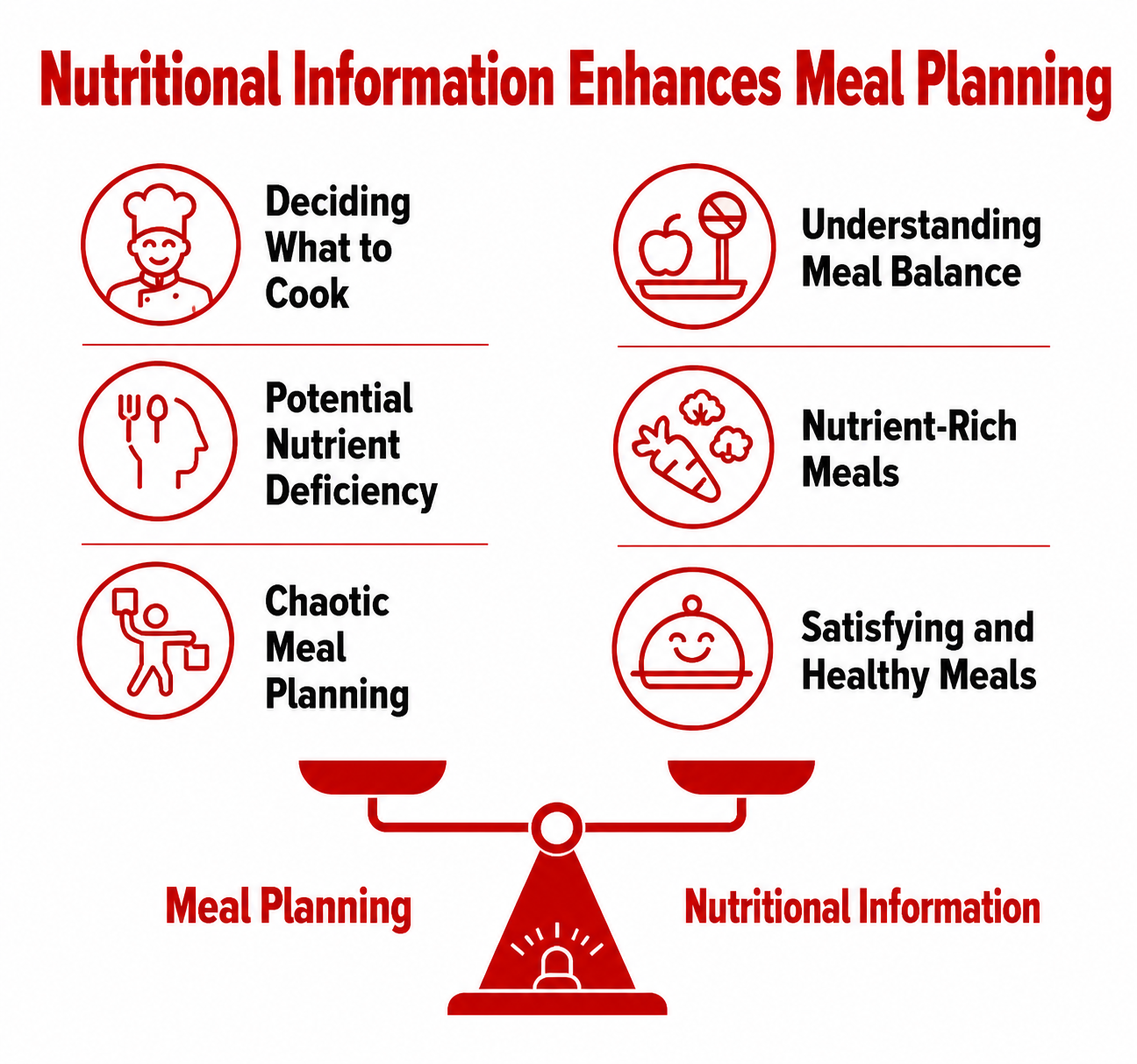
To a majority, meal planning is simply about deciding what to cook. Yet, it is clear that successful meal planning hinges on maintaining balance.
Nutritional Information assists you in understanding:
- How much energy your meals provide?
- Whether your meals are balanced.
- Which foods keep you full longer?
- How different nutrients affect your body.
- Whether your eating habits support your goals.
If you're not aware of nutrition, meal planning can get pretty chaotic. You could be consuming enough food and not getting the nutrients you need each day.
That's why knowledge of nutrition ingredients is so important. Each ingredient adds its own flavor and texture to your meal. Some offer protein and some offer fibre, vitamins, minerals, and healthy fats. Eating is more satisfying and helps with long-term health when meals are planned.
Why Is Nutrients Important for the Body?
Many people ask this question: Why are nutrients important?
Nutrients are necessary since they produce fundamental functionality in the body, which is required every day. They support:
- Energy production.
- Brain function.
- Muscle recovery
- Immune health.
- Digestion.
- Hormonal balance
- Heart health.
People who take in enough calories can still feel exhausted, hungry, or unhealthy if their nutrition is inadequate.
This is why it can be confusing to focus exclusively on calorie counts. An equal amount of calories from two different meals can have a significant impact on your body.
For instance, protein, fibre, and healthy fats in food generally provide longer-lasting satiety than heavily processed food items.
Good meal planning isn't about eating less. It's about eating wisely.
The Difference Between Calories and Nutritional Value
One of the errors that people often make when planning their meals is focusing on calorie content without considering food quality.
There is a difference between calories and nutrition. Calories are energy, and nutrition is how your body uses that energy.
For instance, if a person is on a 1100-calorie diet plan, they may initially see weight loss, but this reduction could come from foods lacking in nutritional value, leading to low energy levels, cravings, and limited long-term success.
This is why, when it comes to meal planning, it's better to have balance than an extreme diet.
The following items should be part of a good meal plan:
Foods for muscle building and filling.
- Complex carbohydrates serve as fuel (energy).
- Healthy fats for hormones and brain function.
- Foods high in fibre for digestion.
- Healthy vitamins and minerals.
The aim is sustainability, not perfection.
How to Read Nutritional Information Properly
Individuals often read nutrition labels but may not be able to decipher the information.
If you misunderstand nutritional information, you can change your shopping behavior and nutrition plan completely!
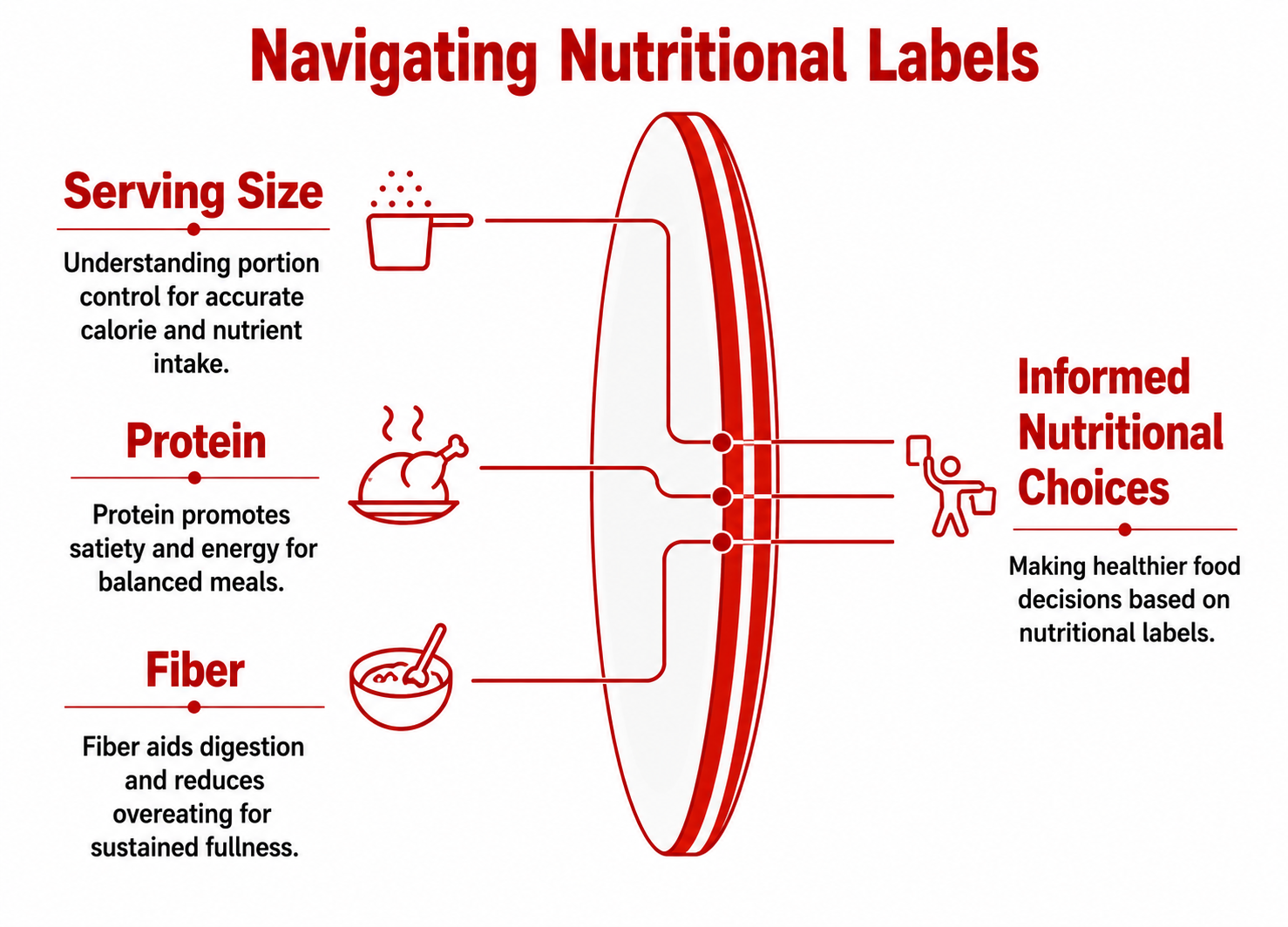
Focus on Serving Size First
Many people make the mistake of not paying attention to portion control.
When a product is low in calories or sugar, but has more than one serving, such as a small box of crackers, you might think it is a healthy option, but it's not.
Always check:
- Serving size.
- Calories per serving.
- Protein content.
- Fiber content.
- Added sugars.
- Sodium levels.
This helps you to have a clearer idea of what you are actually consuming.
The nutritional value of proteins and fibre
Protein and fibre are two of the most important nutrients for meal satisfaction.
Protein and fibre-rich meals typically:
- Helps keep you feeling full longer.
- Reduce overeating.
- Assist in improving energy levels.
- Improve digestion.
This is particularly important for those on a weight-loss nutrition diet, as fullness and consistency are more important than temporary satisfaction.
Using Nutritional Information for Smarter Meal Planning
If you can shift your perspective and see meals as parts of a puzzle, instead of pieces of a recipe, planning them becomes a lot easier.
Instead of asking:
What do you want to cook?
Ask:
What do you need to make your body feel better right now?
This attitude transformation is a game-changer.
Balance Your Meals Instead of Chasing Perfection
Every meal doesn't need to be totally healthy.
Rather, you should prioritize overall balance during the day and week.
For example:
- If the lunchtime meal is substantial, the evening meal can be lighter.
- Eating breakfast without protein, include more later.
- If you are eating out a lot, make a few adjustments to meals around eating out.
Rigid rules are not as effective as flexible planning, as it is easier to keep up with long-term planning.
Use Nutrition to Prevent Food Waste
When the nutritional ingredients in meals overlap, meal planning will be more efficient.
For instance, protein, fibre, or healthy fat-rich foods can be used throughout the week for a variety of meal ideas.
This approach:
- Saves money.
- Reduces waste.
- Simplifies grocery shopping.
- Creates more flexible meal options.
Modern planning platforms are there to assist users in organizing meals automatically like this.
Understanding Food Beyond Labels
Nutrition is not just a matter of packaged food. Whole foods are just as important.
For example, many people search for terms like:
- Banana nutrition.
- Raw nutrition.
- Chicken thighs' nutrition facts.
These searches are indicative of an increasing awareness of the need to learn about food quality naturally.
Banana Nutrition and Everyday Foods
Many people miss the point with bananas, and they are looking at just the sugar or carbs. In fact, bananas offer:
- Potassium.
- Fiber.
- Natural carbohydrates for energy.
- Important vitamins.
The main takeaway here is that foods are not inherently good or bad; their value depends on the context.
Nutritional Information Chicken Thighs
Another food that is often misunderstood is chicken thighs.
Many people avoid them because they contain more fat than chicken breasts. However, they also provide:
- Protein.
- Iron.
- Flavor and satiety.
- Important nutrients.
Balanced meal planning involves knowing how foods fit into your diet, and not eliminating foods without a good reason.
How Random Recipe Discovery Supports Better Nutrition
Many people think that planning meals in a structured manner means eating the same meal over and over. Truth be told, the diversity of a well-balanced diet is one of its most crucial components.
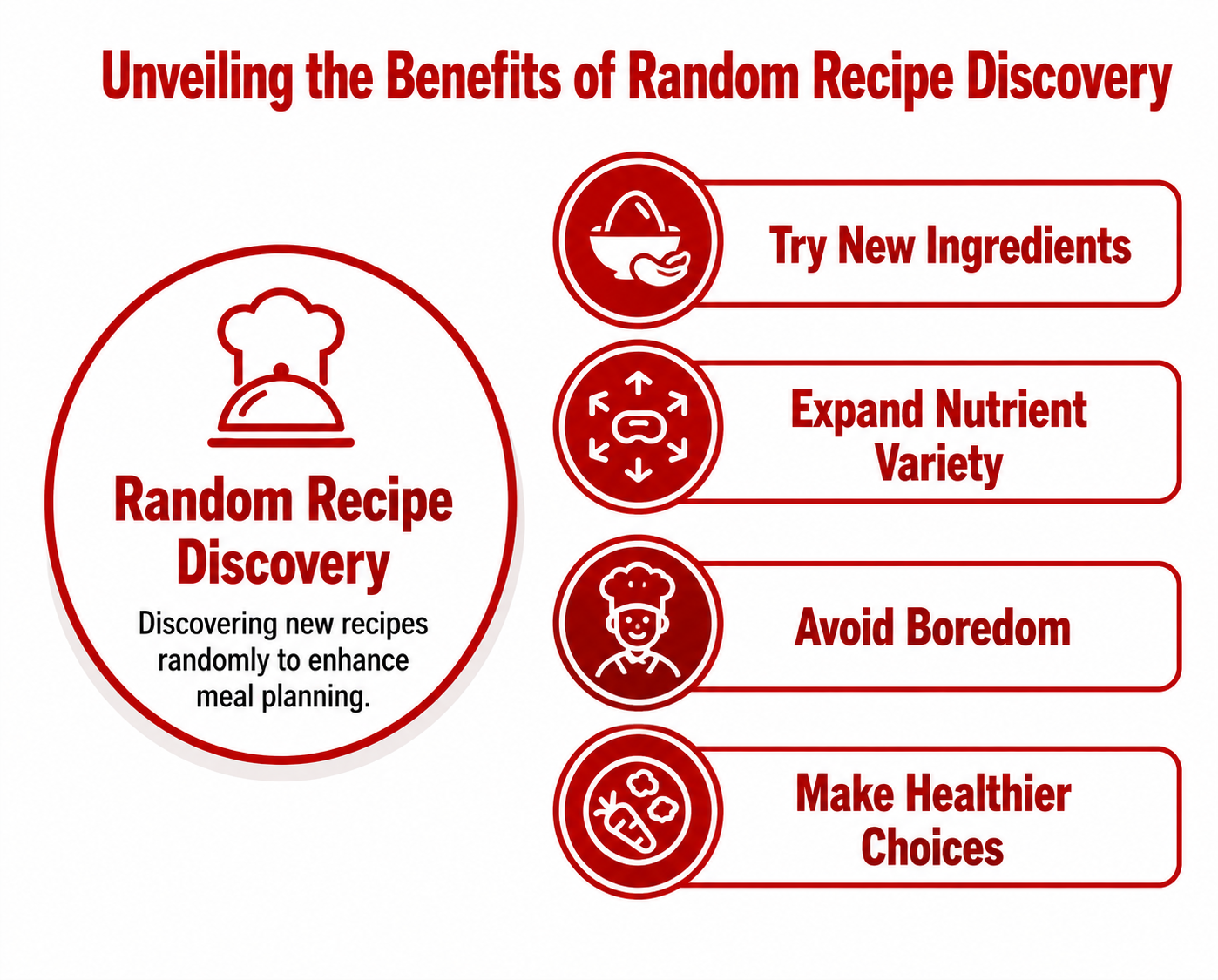
That's why tools that have a random recipe generator option can help to make planning a meal easier.
Users get assistance in discovering random meals:
- Try new ingredients.
- Expand nutrient variety.
- Avoid boredom.
- Make healthier eating choices for the long term.
The more you vary your diet, the easier it will be to get a variety of nutrients.
This is particularly relevant as nutrition gaps can occur when the same foods are consumed day after day.
The Role of Technology in Modern Nutrition Planning
Meal planning was once a spreadsheet, a handwritten grocery list, and a hand-calculated calorie-calculation process.
Today, sites such as Foodsie Meal Planning Solutions make the process much easier, allowing for meal ideas, nutrition-based planning suggestions, and ingredient planning to be all accessible from the same place.
Modern nutrition planning tools enable users to:
- Find some healthy food combinations.
- Simplifies the use of nutrition facts labels.
- Plan meals based on nutrition objectives.
- Save planning time.
- Reduce decision fatigue.
This makes it more possible to eat healthy when time is short.
Users can no longer search aimlessly on random websites and find disjointed information, but can get to a more streamlined system that suits their own objectives.
Common Nutrition Mistakes During Meal Planning
Even dedicated individuals miss out on nutrition mistakes that impede consistency.
Overcomplicating Healthy Eating
Many think eating healthily is a costly process or about perfect meal preparation.
In fact, simple balanced meals are often easier to adhere to.
Following Trends Blindly
Many popular diets emphasize the "restriction" aspect over a sustainable approach.
A healthy diet shouldn't restrict your lifestyle; it should complement it.
Ignoring Hunger and Fullness
When an individual is made to follow a strict meal schedule that fails to acknowledge natural hunger cues, it is destined to fail in the long run.
A flexible approach to planning leads to healthier relationships with food.
Obsessing Over Numbers
Counting calories or macronutrients could help, but it can cause stress.
Eating should be a pleasant experience, not a stressful one.
How to Build a Sustainable Nutrition-Based Meal Plan
Realistic meal plans are the best.
Remember that it's about consistency, not perfection.
Prioritize Balanced Meals
Eat meals with a mix of:
- Protein.
- Fiber.
- Healthy fats.
- Complex carbohydrates.
This will lead to improved energy levels and a feeling full during the day.
Plan Around Your Schedule
Select food items according to your own lifestyle.
If you're short on time on weekdays, opt for simple dishes instead of elaborate cooking schedules.
Keep Flexibility in Your Plan
A firm approach will always fail in a short time.
Leave room for:
- Dining out.
- Cravings.
- Social events.
- Schedule changes.
Sustainability is more important than being strictly controlled.
Why Nutritional Awareness Is Becoming More Important
Convenience foods, hectic lifestyles, and false information on the internet have become major contributors to the changing eating habits.
This makes many people feel a lack of understanding about what they are eating.
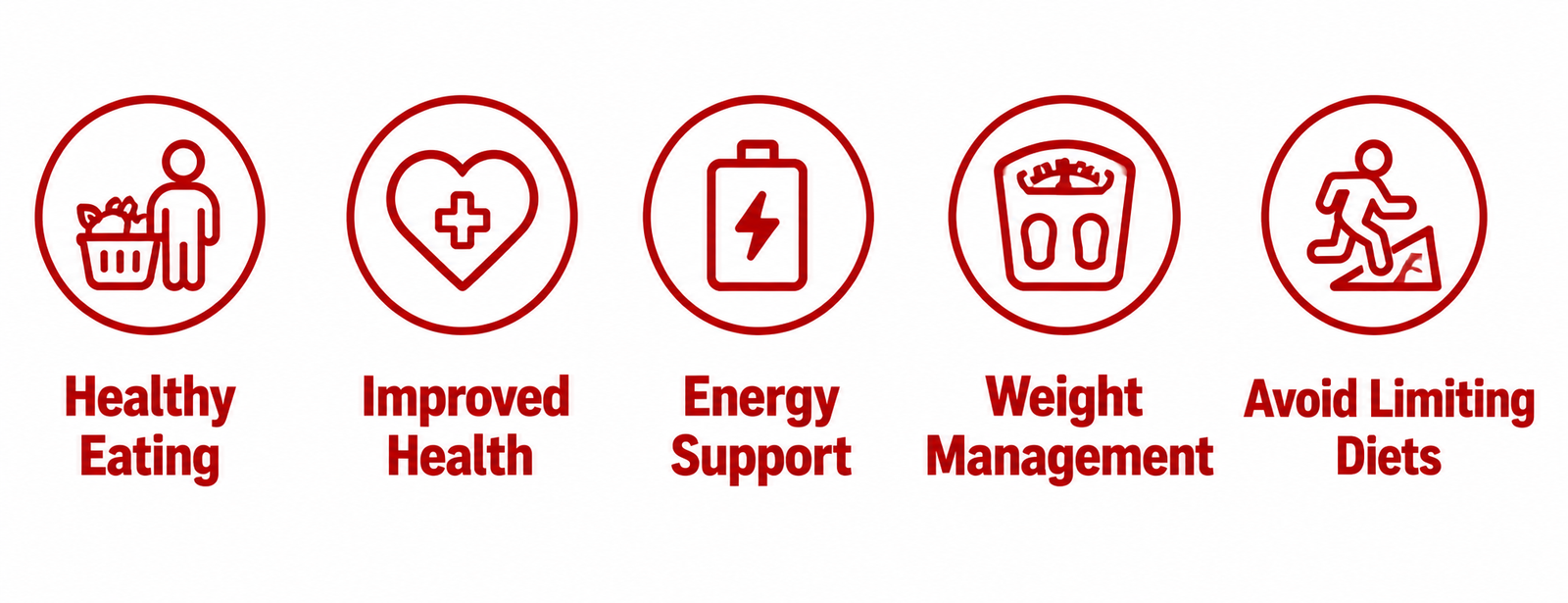
People with a nutritional awareness can:
- Eat healthily.
- Improve long-term health.
- Support energy levels.
- Manage weight sustainably.
- Avoid or minimize the use of limiting diets.
When you understand the nutrition in what you eat and plan your meals, it's a much better base for good health than any short-term diet.
Conclusion
It's not just about reading every detail of the nutrition label, nor is it about rigidly following an impractical diet. The key is understanding how food fuels your body, enhances your energy, and contributes to your long-term health.
When you know the right way to plan your meals, it isn't overwhelming or something you do by accident. You no longer make decisions based on guesswork, but rather on decisions that are aligned with your goals.
Nutrition Planning can make a significant difference, whether it's to let you eat better, maintain your weight, plan healthier meals for your family, or simply feel more in control of your food.
Looking to find a more intuitive and streamlined way to find balanced meal ideas, organize nutrition-based meal planning, and streamline your week?
Try Foodsie today! Foodsie makes healthy eating easy, not a confusing process that can only be practiced in white coats and on stage.
Frequently Asked Questions
1. How do I use nutritional information to plan balanced meals?
Start by checking serving size, then review calories, protein, fiber, sodium, and added sugars so you understand what you’re actually eating; from there, build meals around nutrient-dense foods such as lean proteins, whole grains, fruits, vegetables, and healthy fats to support energy, fullness, and long-term health.
2. Why should I look beyond calories when meal planning?
Calories show energy, but they do not tell you how filling or nutritious a meal is, so two meals with the same calories can affect satiety, energy, and health very differently; focusing on nutrient quality helps you make more sustainable choices than strict calorie counting alone.
3. What are the most common mistakes people make when reading nutrition labels?
A common mistake is ignoring serving size, which can make a product seem healthier than it is, and another is overlooking nutrients like protein and fiber that improve fullness and meal satisfaction; it also helps to compare % Daily Value to quickly spot foods that are low or high in key nutrients.
4. How can Foodsie make meal planning easier?
Foodsie can help you organize meal ideas, compare nutrition-based options, and simplify weekly planning so you spend less time guessing and more time building balanced meals; try Foodsie today to make healthy eating more intuitive and streamlined.