How to Follow a Low-Carb Diet Without Feeling Hungry
2026-03-25
Introduction
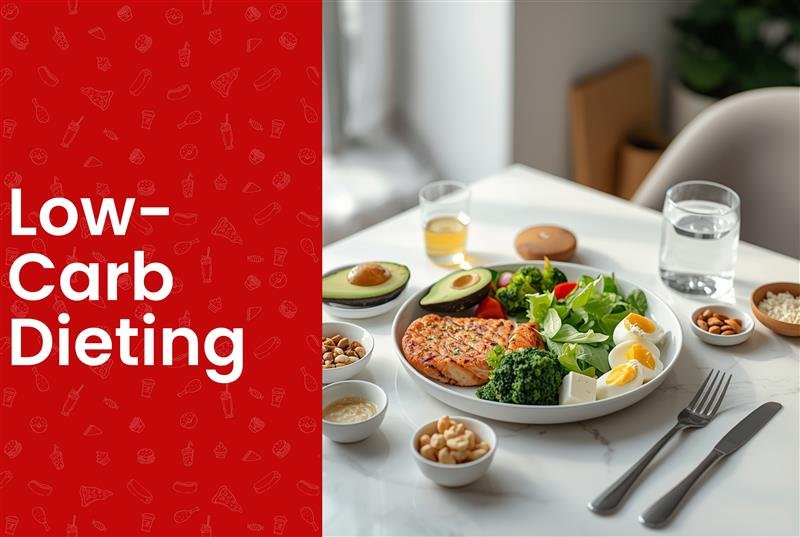
A low-carb diet is regarded as one of the best methods to control weight and improve health. For most of these, the biggest reservation is not giving up bread or sugar, but fear of being hungry. Nobody would like to live by a plan where a person is always thinking about food.
The positive thing about the low carb diet is that it does not necessarily feel limiting when properly planned. Actually, it can even work towards controlling your hunger, eliminating cravings, and save you more time when properly done. It is all in the way you make your meals and the kind of foods you want to add to them.
This Foodsie’s manual is a step-by-step guide on how to be full on a low-carb lifestyle, how to make balanced low carb meals, and how to add the appropriate healthy carb foods to ensure that you do not feel deprived ever.
Understanding How a Low-Carb Diet Works
A low-carb diet aims to decrease the refined and processed carbohydrates and emphasize the protein, healthy fats, and foods rich in fiber. The point is not to avoid carbohydrates, but to substitute fast carbs with slower and healthier ones. Choosing the right sources becomes easier when you understand which options qualify as healthy carbs for weight loss and how they affect energy and satiety.
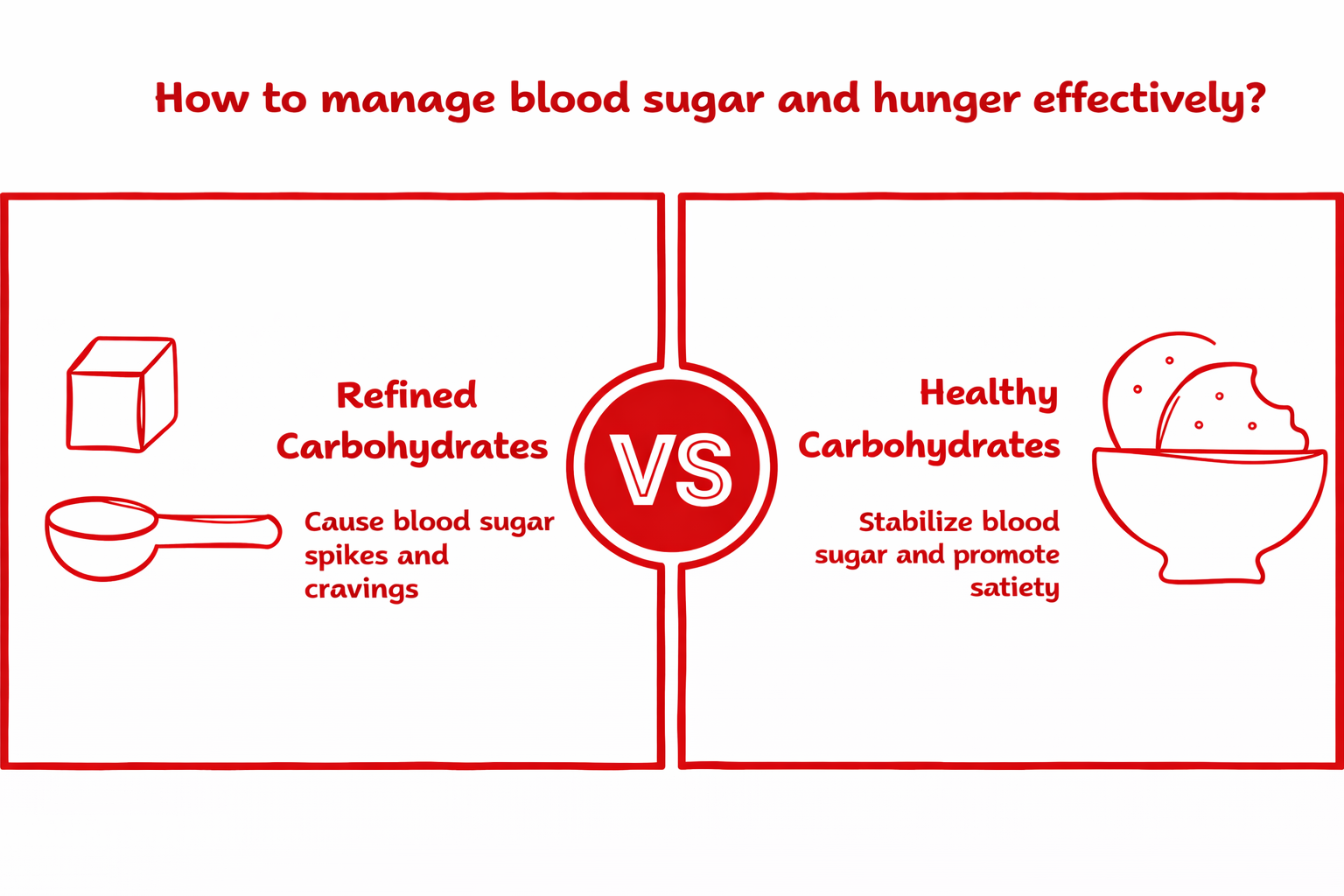
Reducing refined carbohydrates can help stabilize blood sugar, which includes things such as white bread, snacks, and processed foods. This is a stability that contributes immensely to the management of hunger. Surging and falling blood sugar levels tend to be the main causes of craving and overeating.
As you transition to balanced, healthy low-carb meals, your body will start to depend on slow energy sources instead of quick sugar highs. This, of course, results in better satiety and control of portions without being forcedly limited.
Why You Might Feel Hungry on a Low-Carb Diet
Among those who choose a low-carb diet lifestyle, hunger is the most widely recognized feeling, as many believe it is just an outcome of the diet. Yet in reality, it is more about the structure. Lack of a balanced meal does not send the right signals to your body and, as a result, it does not feel satisfied.
Not Enough Protein and Fat
Any good low-carb meal should be based on protein and healthy fats. You cannot eat without them, and soon after you eat, you are left wanting to have snacks. Protein keeps one full, and fats slow down the digestion process and help to keep the body energetic.
When combined in the correct ratios, they give a natural feeling of fulfillment that refined carbs cannot give.
Losing Fiber Along the Way
The other one is the reduction of fiber unintentionally. Fiber is found in a lot of high-carb foods, and its elimination, in the absence of appropriate substitutes, may lead to slowed digestion and an increase in hunger. Including more high fiber foods for better digestion and weight management can help maintain fullness even when reducing overall carb intake.
This is the reason why it is worth knowing the examples of healthy carbs. There are even carb sources, particularly high-fiber sources, worth an exception in your diet when you are on a low-carb diet.
Choosing the Right Carbs Instead of Eliminating Them
A low-carb diet isn't a sustainable life that requires the elimination of carbs, but one that includes choosing more healthful ones. The healthiest carbs are those that contain a source of fiber, vitamins, and slow energy.
You should be able to think of a replacement rather than a restriction. Replacing refined carbs with nutritious ones will keep things in balance and will still aid your objectives.
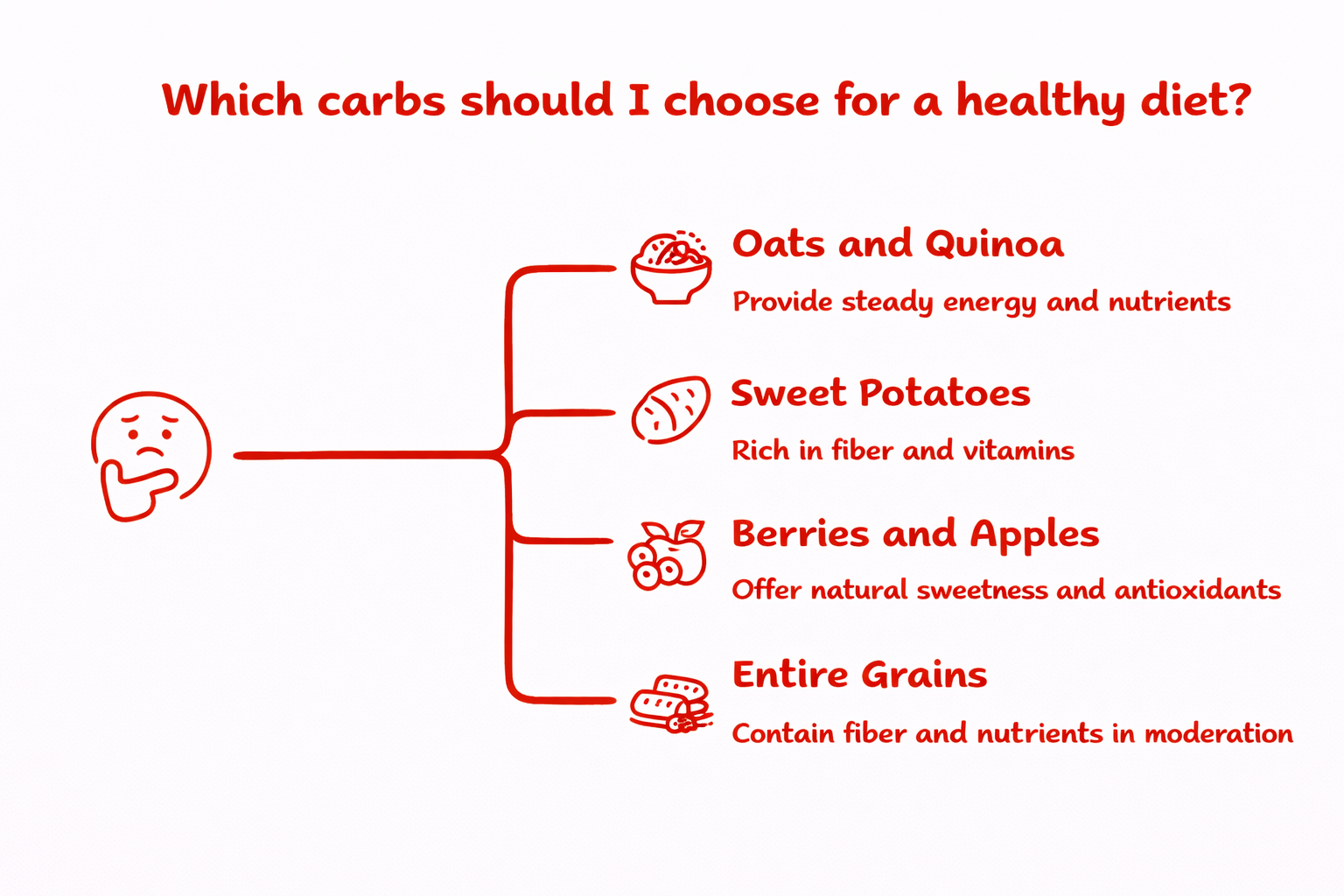
Other healthy carb items that you can consume in moderation include:
- Oats and quinoa for steady energy.
- Fiber and nutrients in sweet potatoes.
- Natural sweetness with berries and apples.
- Entire grains in moderate amounts.
These alternatives allow you to avoid the sense of deprivation and make your eating habits more convenient in the long run.
How to Build Low-Carb Meals That Keep You Full
What you eat is also a significant factor that determines your satisfaction. The difference between being constantly hungry and full can be a well-balanced plate.
Focus on Balance in Every Meal
Protein, healthy fats, and fiber should be combined in each of the meals. This combination helps to slow down the digestion process and maintain the energy levels even during the day. This balance reflects the core principles of maintaining proper nutrition in everyday meals.
An example is a plain plate of grilled chicken, sautéed vegetables, and drizzled olive oil that is much more refreshing than high-carb food that is easy to digest.
Make Meals More Filling Without Adding Carbs
Volume also matters. More vegetables can be added to your meals, which adds more intensity to the portion size without major changes in calories and carbs. This makes you feel that you are eating more; thus, in a psychological and physical way, this diminishes hunger.
With time, such low carb meal preparation becomes habitual and eliminates snacking habits. This approach is similar to how low-calorie foods that keep you full use volume and nutrients to support better appetite control.
Smart Snacking Without Breaking Your Routine
Snacking does not have to be removed even in a low-carb diet; it merely has to be considered. The idea is to then select the snacks that will, in fact, leave you satisfied rather than result in more cravings.
Rather than processed choices, consider healthy, carb combinations of fiber, fats, and proteins. You can have a little of nuts with berries or peanut butter and a slice of apple, which will not interfere with your progress.
Such snacks will fill the in-between mealtime and avoid the high peptic that may cause an overeating incident at the end of the day.
Making Low-Carb Eating Practical and Sustainable
The type of diet people have is not the greatest challenge, but it is the choice of what to cook every day. It is easy to get stuck in a rut and lose motivation even when the right ingredients are available at home.
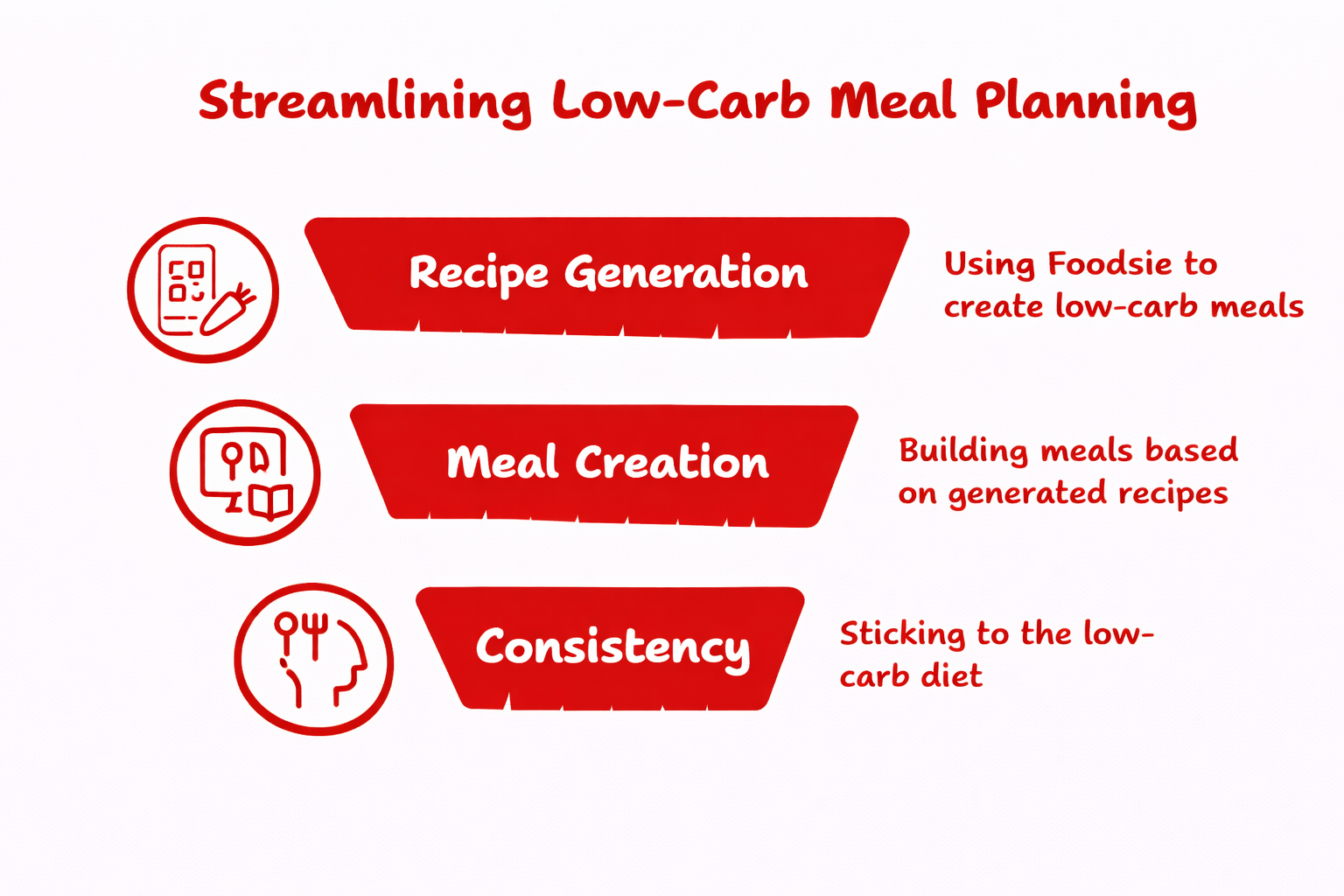
It is in this situation that the right support can help. Rather than worrying about what you are going to make next, you can also use the Foodsie Recipe Generator to make delicious low carb meals using everyday ingredients. Regardless of whether you have pantry foods, proteins, or vegetables, it will assist you to think of meal ideas in real time.
This simplifies your low carb diet much more, lessens food wastage, and also makes your meals interesting to continue with.
Common Mistakes That Lead to Hunger
It is easy to feel like a low-carb diet is more challenging than it should be, even with a few mistakes. They are easy to identify at an early stage in life and therefore can keep you on track without frustration.
One of the most prevalent problems is too vigorous carb-cutting. Your body is not used to it, and hence, there is the risk of feeling fatigued and even craving something when the change is too sudden. Slow alterations are more practical and easier to cope with.
The other error is to over-indulge in processed low-carb goods. Although they can be convenient, they usually do not have the nutrients and satiety that whole foods do. It is always a good idea to construct meals with real ingredients.
Fasting can be counterproductive, too. This can appear as a fast method of cutting down on calories, but it usually causes severe hunger in the future, causing more difficulty in controlling portions.
Conclusion
There is no need to live a low-carb lifestyle and live hungry, or without your favorite foods. By balancing and structuring meals with real, nutritious food, a low carb diet can even make eating more enjoyable and manageable.
With the emphasis on healthy low-carb meals, examples of healthy carbs where applicable, and smarter healthy carb snacks, you can develop a routine that will be sustainable instead of restrictive. It is not about perfection, but it is about consistency.
When you have the right mindset and some assistance in planning out your meals, being full and satisfied on a low-carb diet is not as hard as many people might think.
Take the guesswork out of your low-carb journey! Sign up for Foodsie today and discover easy, delicious, and filling low-carb meals customized just for you. Your next satisfying meal is just a click away!
Frequently Asked Questions
1. What Are Examples of Healthy Carbs on a Low-Carb Diet?
Healthy carbs include high-fiber options like broccoli, cauliflower, raspberries, avocados, and leafy greens, which provide steady energy without spiking blood sugar. These can be added in moderation to meals for satiety, such as berries or sweet potatoes, replacing refined carbs like white bread. They help maintain fullness by slowing digestion while keeping total carb intake low.
2. How Can I Avoid Hunger on a Low-Carb Diet?
Prioritize protein and healthy fats in every meal, like grilled chicken with olive oil-drizzled vegetables or salmon with zucchini, to promote lasting fullness. Increase low-carb volume with non-starchy veggies to trick your brain into feeling satisfied without extra calories. Stable blood sugar from these balanced plates reduces cravings compared to carb-heavy foods.
3. What Are the Best Healthy Low-Carb Snacks?
Opt for nuts like macadamia or pumpkin seeds, half an avocado with salt, or edamame for protein-packed options under 5g net carbs per serving. Berries with whipped cream or shrimp provide fiber and fats to curb hunger between meals. These snacks combine protein, fat, and minimal carbs for sustained energy without derailing your diet.
4. Why Do I Feel Hungry Despite Low-Carb Eating?
Hunger often stems from insufficient protein, fats, or fiber, not the diet itself—skipping these leads to quick digestion and cravings. Refined low-carb processed foods lack nutrients for true satiety, unlike whole foods. Transition gradually and focus on balanced meals to signal fullness to your body.
5. What Are Sample Filling Low-Carb Meals?
Try salmon with stir-fried broccoli and shrimp for zero-carb protein power, or chicken breast with spaghetti squash as a pasta swap. A traybake of crispy salmon salad or coconut prawn curry with cauliflower rice keeps carbs low while delivering fiber and fats. These meals emphasize veggies, seafood, and fats for all-day satisfaction.