Healthy Carbs: The Best Nutritious Foods to Eat for Long-Lasting Energy
2026-02-20
Introduction
Carbohydrates have often been criticized in the nutrition world because they are blamed for weight gain, energy slumps, and unhealthy eating patterns. As a result, many people have tried to eliminate them from their diets. Nevertheless, the reality is more balanced: healthy carbohydrates are also an important component of a healthy diet, and they may also play a significant role in supplying all-day energy, the functioning of the digestive system, and overall well-being.
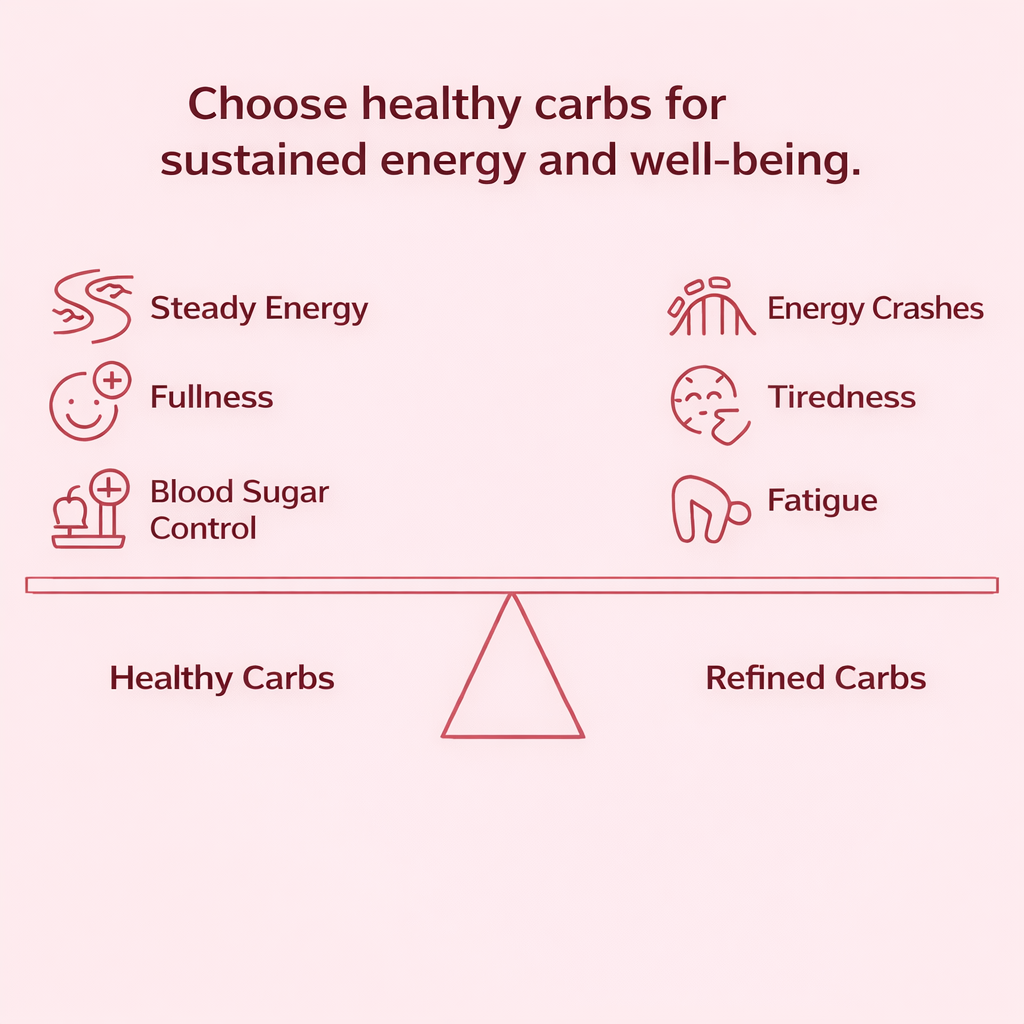
Carbohydrates aren’t all the same. Refined carbs can make your blood sugar jump up and crash, giving short bursts of energy, while healthy carbs release energy slowly and keep you feeling steady. They provide sustained energy and assist you in pursuing a prolonged health goal. The appropriate information on what to include in your food and the ways to eat it will make you feel good throughout the day.
This Foodsie’s manual will outline what healthy carbs are, why you need them, the healthiest options, and the ones that can be added to your lunch and snacks. There will also be real-life snack examples, and suggestions to prepare balanced, healthy low-carb meals without necessarily reducing the number of carbs.
What Are Healthy Carbs?
Carbohydrates obtained from whole, minimally processed foods are considered to be healthy carbs. These foods contain fiber, vitamins, minerals, and often protein or healthy fats that help slow down digestion and provide energy throughout the day.
Healthy carbs provide steady energy to the body. In contrast, refined carbohydrates such as white bread and sugary snacks often lead to fatigue. They help control blood sugar levels and support digestion, heart health, and brain function.
Key Characteristics of Healthy Carbs
Healthy carbs typically include
- High dietary fiber.
- Contain essential nutrients.
- Digest slowly, providing long-lasting energy.
- Keep you full and satisfied.
The Reason Your Body Needs Healthy Carbs
The body’s preferred source of energy is carbohydrates. As you consume carbohydrates, it is then transformed into glucose, and it is used to support the body's structure, such as the muscles, brain, and body organs.
Complete carb restriction may result in fatigue, lack of concentration, and irritation. A better alternative is to consume the right carbs, which will ensure that you are energetic and in a good mood during the day.
Advantages of Eating Healthy Carbs
Healthy carbs:
- Stabilize energy levels.
- Improve digestion because they contain fiber.
- Assist with controlling the appetite and overeating.
- Supply necessary vitamins and minerals.
- Favour physical activity and recovery from exercise.
One approach is completely eliminating carbs from your diet; however, the best solution is choosing the right carbs at the right time and in the right quantities.
Healthy Carbs You Can Add to Your Diet
There are a wide variety of nutrient-rich foods that can give great examples of healthy carbs, and they can easily be incorporated into daily meals. The following are the best carbs that you can add to your diet.
Whole Grains
Fiber and complex carbohydrates can be obtained through whole grains. They do not undergo refining like the refined grains. They digest slowly, helping you stay full for longer. Brown rice, oats, quinoa, whole wheat, and barley serve as long-term energy sources and help in maintaining the heart and digestive system.
Fruits
Fruits are well-known sources of healthy carbohydrates, as well as sources of fiber, antioxidants, and vitamins. Eating whole fruits allows your body to digest the sugars and maintain blood sugar levels.
Healthy fruit-based carbs include:
- Apples
- Bananas
- Berries
- Oranges
- Pears
Vegetables
Vegetables are considered to be the healthiest carbs to consume, especially the starchy ones. Carrots, peas, squash, sweet potatoes, and corn provide carbohydrates, essential nutrients, and fiber. Even non-starchy vegetables have low traces of carbs that lead to total energy consumption and good gut health.
Legumes
Lentils, chickpeas, black beans, and kidney beans are strong sources of healthy carbs. They contain high amounts of fiber and are also mostly filled with plant-based protein, which would be especially helpful in long-term energy. Legumes are quite fulfilling in both vegetarian and plant-based dishes.
Healthy Carb Snacks for Sustained Energy
Unhealthy carb selections can easily find their way into the snacks, which is why healthy carb snacks are important to maintain steady energy levels throughout the day and ensure that excess calories are not accumulated later in the day.
Carb, protein, or healthy fat snacks are the best. Alternatives such as fruit mixed with nut butter, yogurt with berries, oatmeal, or roasted chickpeas are a source of food that does not lead to a sugar crash. These snacks prevent hunger and maintain normal levels of blood sugar.
Most Healthy Carbs for Long-Lasting Energy
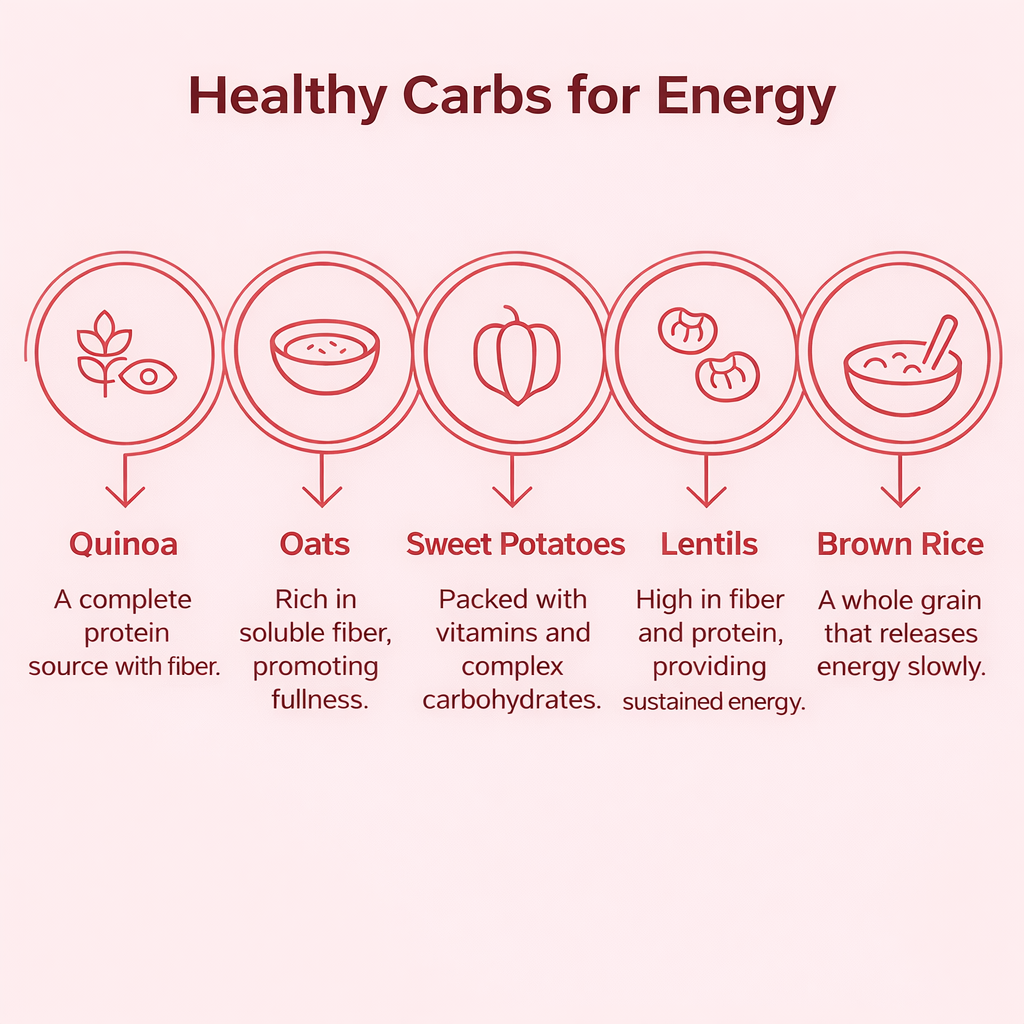
In case you want to have long-lasting energy but not a sugar rush, pay attention to slow-digesting carbohydrates that allow you to feel full.
Some of the healthiest carbs include:
- Quinoa
- Oats
- Sweet potatoes
- Lentils
- Brown rice
These foods are best served at breakfast time or lunch time when you need energy to last the day.
Healthy Carbs and Weight Management
Another misconception is that carbs inevitably make one gain weight. However, healthy carbs can support weight management when they are consumed in moderation. High-fiber carbs help you feel full and curb your appetite, making it easier to avoid overeating.
The increase in weight is more often linked with the excessive consumption of calories and highly processed foods rather than whole, healthy carbohydrate sources. A combination of quality carbs with protein and fats results in an efficient method of health and weight maintenance.
Making Healthy Carbs Balanced Meals
Balanced meals mean getting the right mix of nutrients, rather than focusing on just one type of food. Healthy low-carb meals provide the body with energy. Protein helps build muscles, fats support nutrient absorption, and vegetables supply the body with micronutrients
In this approach, carbohydrates act as a supportive energy source rather than the main component of the meal. Keeping meals balanced in this way encourages long-term consistency and helps develop healthier, more sustainable eating habits over time.
Healthy Low-Carb Meals: A Practical Solution
Low-carb dieting does not mean that you have to stop consuming all carbs. Low-carb healthy foods just reduce the quantity or portions but do not change the balance of nutrients. These foods contain lower amounts of carbs, and they are well balanced with proteins and vegetables.
Balanced meal options can include grilled chicken with roasted vegetables and sweet potatoes, quinoa paired with salmon and leafy greens, a nourishing bowl of lentil soup, or a fresh, colorful salad enjoyed in mindful portions. Maintaining this balance supports steady energy levels and helps you stay aligned with your health goals without overeating.
Choosing Healthy Carb Foods When Dining Out
Dining out can be difficult, but eating consciously is what keeps you aware. Replacing refined grains with whole grains, choosing vegetarian dishes, and including legumes or low-calorie proteins in your diet can significantly improve the nutritional value of meals served in restaurants.
Avoiding fried foods, snacks, and sugary sauces while focusing on balanced meals will allow you to dine out without compromising your goals.
Healthy Carbs for Active Lifestyles
For active individuals, healthy carbs play an important role. They restore energy supplies, endurance, and post-exercise muscle recovery. Healthy carbohydrates before and after exercise are good to keep up with performance and minimize fatigue.
Athletes and active people require slightly higher carbohydrate intake in their diet, as their bodies depend greatly on the use of glucose in movement and restoration.
Common Mistakes to Avoid with Carbs
Although healthy carbs are good, some errors may reduce their benefits.
Common pitfalls include:
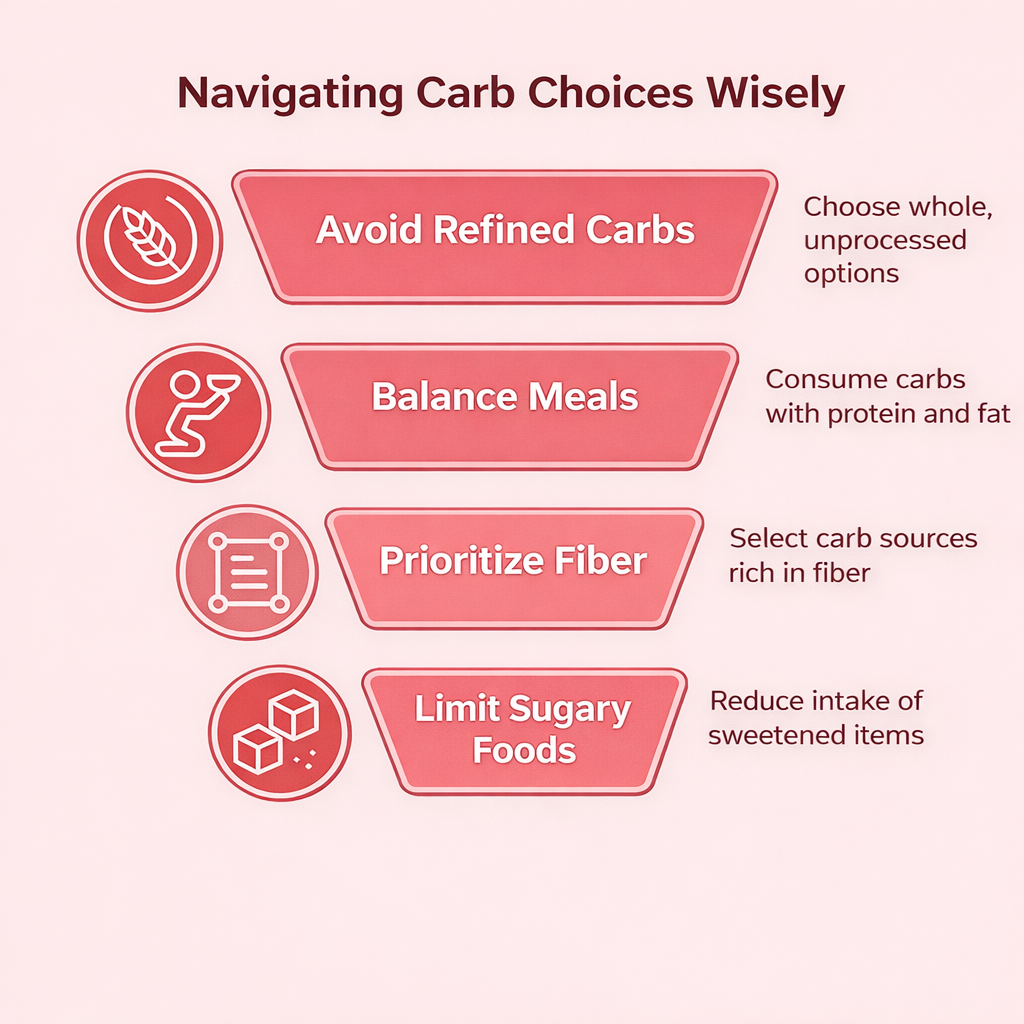
- Switching whole foods with refined carbs.
- Consumption of high quantities in an unbalanced manner.
- Ignoring fiber content.
- Excessive consumption of sweetened foods.
- Awareness helps you make more informed decisions.
Incorporating Healthy Carbs into the Routine
Healthy eating habits are built through consistency. The inclusion of healthy carbs daily can be as easy as eating oats or fruit in the morning, introducing legumes to food, opting to eat the whole grain, and swapping sweetened foods with nutritional alternatives.
The Conclusion: The Carbs You Eat Should Be Healthy
Carbs are not bad; healthy carbs are an essential component of our healthy diets. If taken in the right proportions, these can be good sources of energy, good digestion, and healthy body maintenance, too. Including healthy carbs such as whole grains, fruits, veggies, and lentils in your meals ensures significant health benefits, eliminating confusion about carbohydrate intake.
Small, consistent actions taken at the right time can improve digestion and support long-term health. To make healthy eating easier, Foodsie helps you find the right carbs to keep you feeling full, maintain your energy throughout the day, and support your weight loss goals. With easy-to-follow meal plans and tasty recipes.
With Foodsie’s Nutritional Information feature, you can easily check every meal's calories, macros, and essential nutrients. Whether tracking your intake, managing a diet, or simply eating healthier, Foodsie gives you the insights you need, right at your fingertips.
Frequently Asked Questions:
1. What Are Healthy Carbs?
Healthy carbs come from whole, minimally processed foods like whole grains, fruits, vegetables, and legumes, which provide fiber, vitamins, minerals, and slow-release energy. Unlike refined carbs such as white bread or sugary snacks, they stabilize blood sugar and support digestion, heart health, and sustained fullness.
2. Why Does the Body Need Healthy Carbs?
Carbohydrates are the body's primary energy source, breaking down into glucose to fuel the brain, muscles, and organs. Choosing healthy ones prevents fatigue, poor concentration, and irritability from carb restriction, while aiding appetite control and exercise recovery.
3. What Are the Best Sources of Healthy Carbs?
Top healthy carb foods include quinoa, oats, sweet potatoes, lentils, brown rice, fruits like apples and berries, starchy vegetables such as peas and corn, and legumes like chickpeas and black beans. These offer high fiber for steady energy and nutrient density without blood sugar spikes.
4. How Do Healthy Carbs Help with Weight Management?
High-fiber healthy carbs promote satiety, reduce overeating, and stabilize blood sugar, making them effective for weight control when paired with proteins and fats. They differ from refined carbs, which contribute to weight gain through calorie density and energy crashes.
5. What Are Common Mistakes to Avoid with Healthy Carbs?
Avoid swapping whole foods for refined carbs, overconsuming without balance, ignoring fiber, or adding excess sugars. Instead, incorporate them mindfully in meals like oats for breakfast or legumes in salads to maximize benefits for energy and health.